Your Most Trusted Urologist

How Urologists Play a Key Role in Managing Penile Cancer

Penile cancer, although rare, can be a life-altering condition when not diagnosed or treated early. It primarily affects the penile skin or deeper tissues and often causes emotional distress along with physical complications. Fortunately, early detection and expert care from a qualified urologist can dramatically improve the outcome.

If you’re seeking reliable penile cancer treatment in Chandigarh or Mohali, this guide will help you understand how urologists like Dr Dharmender Aggarwal, a renowned penile cancer doctor in Chandigarh, manage this condition using a comprehensive and compassionate approach.

What Is Penile Cancer?

Penile cancer develops from the uncontrolled growth of abnormal cells in the penis. The most frequent type is squamous cell carcinoma, which typically originates on the glans (head) or under the foreskin.

Key Risk Factors Include:

  1. HPV (Human Papillomavirus) infections, particularly types 16 and 18

  2. Smoking, which introduces harmful carcinogens

  3. Phimosis, a condition where the foreskin cannot retract

  4. Poor hygiene, leading to chronic inflammation

  5. Age, with men over 50 being more susceptible

Symptoms to Watch For

Early signs of penile cancer are often subtle, which makes regular urological checkups critical. Symptoms include:

  1. Persistent sores, lumps, or growths on the penis
  2. Swelling or growths in the inguinal areas

  3. Skin thickening or discoloration

  4. Foul-smelling discharge

  5. Ulceration or unexplained bleeding

  6. Swelling of the penis or groin area

If any of these symptoms persist for more than two weeks, consult a penile cancer doctor in Chandigarh or Mohali for timely evaluation.

How Urologists Like Dr Dharmender Aggarwal Manage Penile Cancer

1. Accurate Diagnosis

Urologists are typically the first specialists to assess penile cancer. Diagnostic steps include:

  1. Physical examination to identify visible or palpable lesions

  2. Biopsy, where a tissue sample is examined for cancer cells

  3. Imaging tests such as ultrasound, MRI, CT or PET scans to evaluate the extent of spread

2. Individualized Treatment Planning

Each patient receives a tailored treatment plan based on:

  1. The stage and grade of the cancer

  2. Tumor size and location

  3. The patient’s age and general health

As a leading urology cancer specialist offering penile cancer treatment in Mohali, Dr Aggarwal ensures that all treatment decisions are personalized for optimal outcomes.

Treatment Options for Penile Cancer

Surgical Procedures

  1. Circumcision – Used for superficial cancers confined to the foreskin

  2. Partial Penectomy – Removes part of the penis while preserving function when possible

  3. Total Penectomy – Complete removal when the tumor is extensive

  4. Lymphadenectomy – Removes lymph nodes in the groin to stop cancer from spreading

Non-Surgical Treatments

  1. Radiation therapy – Effective in early-stage or inoperable cases

  2. Chemotherapy – Administered topically or systemically for advanced stages

  3. Laser therapy and cryotherapy – Minimally invasive treatments for early lesions

  4. Immunotherapy or targeted therapy – Emerging treatments based on cancer’s molecular profile

Continuous Monitoring and Emotional Support

Post-treatment, regular follow-ups are essential. Dr Aggarwal emphasizes holistic recovery, including:

  1. Monitoring for recurrence

  2. Managing post-operative symptoms

  3. Addressing sexual health concerns

  4. Offering emotional and psychological support

  5. Coordinating with other specialists when needed

His clinic in Chandigarh offers a multidisciplinary care model to ensure each patient gets comprehensive support from diagnosis through recovery.

Advances in Penile Cancer Treatment

Modern medicine has brought promising innovations to penile cancer care:

  1. Minimally invasive surgeries with faster recovery

  2. Tissue-sparing procedures to preserve function and appearance

  3. Genetic profiling to create targeted, personalized treatment plans

  4. Reconstructive urology for aesthetic and psychological rehabilitation post-surgery

Prevention & Early Detection Tips

Urologists stress prevention as the first line of defense. Here’s how to lower your risk:

  1. Get vaccinated for HPV (especially before becoming sexually active)

  2. Maintain daily hygiene, particularly if uncircumcised

  3. Avoid tobacco products

  4. Treat foreskin-related issues early

  5. Undergo regular urological screenings, especially after age 50

FAQs: Penile Cancer & Urological Management

  1. Can penile cancer be cured?
    Yes, especially when caught early. With appropriate surgery and follow-up care, recovery rates are high.
  2. Is surgery always required?
    Not always. Early-stage cancers may respond well to creams, laser therapy, or radiation.
  3. How do I know if I’m at risk?
    If you’re over 50, uncircumcised, a smoker, or have had HPV, you may be at higher risk. Regular urological checkups are essential.
  4. Will I lose sexual function?
    In many cases, function can be preserved. Dr Aggarwal prioritizes organ-preserving approaches whenever possible.
  5. Should I be embarrassed to talk about symptoms?
    Absolutely not. Penile cancer is a medical issue—early diagnosis can save your life.

Why Choose Dr Dharmender Aggarwal?

Dr Dharmender Aggarwal is a highly respected penile cancer doctor in Chandigarh, known for his expertise, compassionate approach, and commitment to patient outcomes. Dr Dharmender Aggarwal has performed more than 800 robotic urology cancer surgeries. Offering the latest diagnostic tools and advanced treatment options, he provides the highest standard of penile cancer treatment in Chandigarh and Mohali.

Book a Confidential Consultation

Worried about unusual symptoms or seeking expert guidance?

📞 Chandigarh & Mohali residents: Schedule your consultation today with Dr Dharmender Aggarwal, and get expert, confidential care tailored to your needs.
5 Smart Habits to Reduce Your Risk of Penile Cancer

Penile cancer is an uncommon but life-altering disease that affects the skin or tissues of the penis. It’s a condition many men feel uncomfortable discussing—but awareness and early prevention can make all the difference.

If you’re looking for penile cancer treatment in Chandigarh or Mohali, understanding the causes and knowing how to reduce the risks can be your first line of defense. In this guide, we’ll walk you through the essential steps you can take to protect your health, and when to consult a penile cancer doctor in Chandigarh like Dr Dharmender Aggarwal.

What Exactly Causes Penile Cancer?

While researchers haven’t pinpointed a single cause, several risk factors have been strongly associated with penile cancer. These include:

  1. HPV Infection – Human papillomavirus (HPV) is a key contributor to most cases.

  2. Chronic Inflammation – Repeated infections or poor hygiene can irritate the foreskin and glans.

  3. Smoking – Tobacco chemicals can damage penile cells over time.

  4. Phimosis – A tight foreskin that cannot retract may trap bacteria and lead to inflammation.

  5. Age – Men over 60 are more commonly affected.

Although some risks like age are unchangeable, others are preventable—and that’s where the real power lies.

Early Warning Signs You Shouldn’t Ignore

Penile cancer often starts subtly. Recognizing symptoms early increases the chance of effective treatment. Watch for:

  1. Skin abnormalities: Thick patches, discoloration, or sores that won’t heal

  2. Unusual discharge: Foul-smelling fluid under the foreskin

  3. Lumps or swelling: Especially in the groin or near the tip of the penis

  4. Bleeding or pain: Any discomfort during urination or sexual activity

  5. Changes in foreskin mobility

If any of these signs persist beyond a few weeks, schedule a visit with a qualified penile cancer doctor in Chandigarh without delay.

Top 5 Proven Strategies to Reduce Penile Cancer Risk

1. Prioritize Foreskin Hygiene

Daily cleaning, especially for uncircumcised men, is crucial. Gently retract the foreskin and clean with warm water and mild soap to prevent smegma buildup and infection.

2. Consider HPV Vaccination

Getting vaccinated against HPV, ideally before sexual debut, is one of the strongest ways to reduce penile cancer risk. Even adults may benefit—speak to your doctor.

3. Treat Phimosis Early

A tight foreskin can cause recurring infections. If you notice difficulty retracting your foreskin, seek medical treatment early to avoid complications.

4. Quit Smoking for Good

Tobacco toxins increase your cancer risk significantly. Quitting smoking not only protects your penis but improves overall health and circulation.

5. Practice Safe Sex

Limit your number of sexual partners and use protection consistently. This reduces your risk of contracting HPV and other infections that can raise penile cancer risk.

Treatment Options for Penile Cancer

If diagnosed, don’t panic—penile cancer is treatable, especially in early stages. Dr Dharmender Aggarwal, a leading expert offering penile cancer treatment in Mohali, creates tailored treatment plans for each patient based on cancer stage and spread.

Available treatment options include:

  1. Topical therapy – Medications applied directly to the skin

  2. Laser removal – Targets and destroys cancer cells with precision

  3. Cryotherapy – Freezing abnormal cells

  4. Surgical options – Including partial or total penectomy, only when absolutely necessary

  5. Radiation or Chemotherapy – For more advanced or recurring cases

Dr Aggarwal emphasizes organ-preserving techniques whenever possible to ensure both oncologic safety and quality of life.

FAQs About Penile Cancer

  1. Can penile cancer be detected early?
    Yes, regular self-checks and prompt medical attention can lead to early detection.
  2. Is surgery always required?
    Not necessarily. Early-stage cancers may be treated with creams, lasers, or cryotherapy.
  3. Does circumcision eliminate the risk?
    It reduces the risk, particularly when done early in life, but it doesn’t eliminate it entirely.
  4. What are the chances of full recovery?
    When caught early, penile cancer has a high treatment success rate.
  5. Is it a sexually transmitted cancer?
    Penile cancer isn’t contagious, but HPV—a major cause—is sexually transmitted.

Why Choose Dr Dharmender Aggarwal?

Dr Dharmender Aggarwal is a renowned urology cancer specialist offering expert penile cancer treatment in Chandigarh and Mohali. Dr Dharmender Aggarwal has performed more than 800 robotic urology cancer surgeries. With years of surgical experience and a compassionate approach, he provides personalized care—from early diagnosis to advanced treatments—with an emphasis on dignity and comfort.

His clinic is equipped with advanced diagnostic tools, ensuring quick evaluations and targeted treatment plans.

Book a Private Consultation Today

Worried about unusual symptoms or want to discuss preventive options? Don’t wait.

📞 Contact Dr Dharmender Aggarwal now to schedule a consultation for trusted penile cancer treatment in Chandigarh or Mohali. Your peace of mind starts with a simple conversation.

Retroperitoneal Robotic Partial Nephrectomy: A Precision-Driven Kidney Cancer Treatment

When it comes to kidney cancer treatment, especially for localized tumors, the choice of surgery matters greatly. One of the most advanced options today is retroperitoneal robotic partial nephrectomy—a minimally invasive procedure that combines accuracy with reduced recovery time.

Dr Dharmender Aggarwal, a leading urology cancer expert offering kidney cancer treatment in Chandigarh and Mohali, specializes in this state-of-the-art robotic kidney surgery to preserve kidney function while ensuring effective cancer control.

What Is Retroperitoneal Robotic Partial Nephrectomy?

Retroperitoneal robotic partial nephrectomy is a modern technique that allows the surgeon to remove only the cancerous portion of the kidney through the retroperitoneal space—accessed from the back, not the abdomen. This method avoids unnecessary disturbance to other abdominal organs, making it a safer and faster healing option.

Using advanced robotic instruments, the surgeon achieves unmatched precision, critical in preserving healthy kidney tissue and surrounding structures.

How Is It Performed?

Here’s a simplified look at how this procedure is typically carried out by Dr Dharmender Aggarwal:

  1. Patient Preparation: The patient is positioned on their side under general anesthesia. 
  2. Port Placement: A small incision is made on the back (retroperitoneal side) to insert surgical ports and create working space. 
  3. Robot Docking: Robotic instruments and a high-definition 3D camera are inserted. 
  4. Tumor Removal: The tumor is precisely excised while sparing healthy kidney tissue. 
  5. Reconstruction: The kidney is reconstructed using fine sutures. 
  6. Closure: The instruments are removed and incisions are closed with minimal scarring. 

Advantages of Robotic Kidney Surgery

For patients seeking kidney cancer treatment in Mohali or Chandigarh, this approach offers several advantages:

  1. Preserves kidney function by removing only the tumor 
  2. Minimally invasive, leading to quicker recovery 
  3. Less blood loss compared to open surgery 
  4. Shorter hospital stay, often just 1–2 days 
  5. Reduced post-operative pain 
  6. Lower risk of complications 
  7. Faster return to normal activities 

Are There Any Disadvantages?

While highly effective, robotic partial nephrectomy does come with a few limitations:

  1. Technically complex: Requires a skilled and experienced surgeon 
  2. Not suitable for all tumor types: Large or centrally located tumors may need other approaches 
  3. Smaller surgical space: Retroperitoneal access can be more challenging for some surgeons 

Who Should Consider This Surgery?

This procedure is best suited for:

  1. Patients with small to medium-sized tumors 
  2. Individuals with tumors located on the back or side of the kidney 
  3. Patients who have had previous abdominal surgeries 
  4. Those looking to preserve kidney function 

For anyone in Chandigarh or Mohali looking for kidney-saving cancer treatment, robotic kidney surgery in Chandigarh by Dr Dharmender Aggarwal is a highly recommended option.

FAQs About Robotic Partial Nephrectomy

  1. Is robotic partial nephrectomy better than open surgery?
    Yes, in many cases it offers similar or even better cancer control with significantly less pain, quicker recovery, and better cosmetic results. 
  2. Will I lose my kidney?
    No, the goal of partial nephrectomy is to remove only the tumor while keeping the rest of the kidney intact. 
  3. Is the retroperitoneal approach safe?
    Yes, it’s safe and often preferred for specific tumor locations. It also avoids entering the abdominal cavity. 
  4. How long is the recovery time?
    Most patients are discharged within 48 hours and return to normal activities in about 2-3 weeks. 
  5. Will there be visible scars?
    The procedure is done through small incisions, resulting in minimal scarring. 
  6. Is robotic surgery more expensive?
    It can be slightly more costly due to technology use, but the benefits often outweigh the added cost.

Why Choose Dr Dharmender Aggarwal for Kidney Cancer Treatment?

Dr Dharmender Aggarwal is a top-rated urology cancer specialist providing expert kidney cancer treatment in Chandigarh and Mohali. Dr Dharmender Aggarwal has performed more than 800 robotic urology cancer surgeries. With a focus on minimally invasive and organ-preserving techniques like robotic partial nephrectomy, he ensures the highest standards of safety, precision, and personalized care.

Book Your Consultation Today

If you or a loved one is seeking robotic kidney surgery in Chandigarh or Mohali, reach out to Dr Dharmender Aggarwal’s clinic today.

📞 Call now to schedule an appointment and take the first step toward advanced, kidney-sparing cancer care in your city.

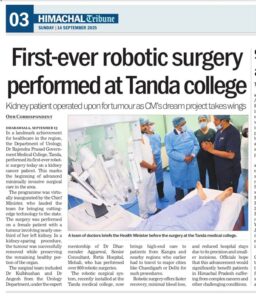
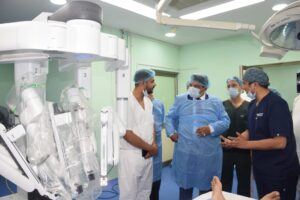
A New Milestone: First Robotic Surgery Proctored at Government Medical College, Tanda

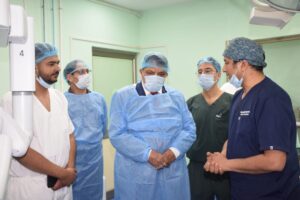
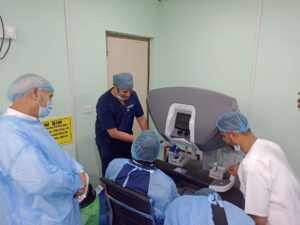
Dr Dharmender Aggarwal, Consultant Urology Cancer & Robotic Surgery at Fortis Hospital Mohali, recently achieved another landmark by performing and proctoring the first-ever robotic surgery at Dr Rajendra Prasad Government Medical College, Tanda. The event marked a significant advancement in bringing robotic surgery and cutting-edge uro-oncology care closer to patients in Himachal Pradesh.

The robotic surgery program at Tanda Medical College was formally inaugurated by the Honourable Chief Minister of Himachal Pradesh, Shri Sukhwinder Singh Sukhu. The ceremony was also attended by the Honourable Health Minister Dr. Dhani Ram Shandil, Agriculture Minister Shri Chander Kumar, Ayush Minister Shri Yadvendra Goma, and several senior dignitaries.

Expanding Access to Advanced Uro-Oncology Care

Dr Dharmender Aggarwal, who has been proctoring robotic surgery for several years, shared that initiating a robotic program and performing its first case in a prestigious government institution has been a truly humbling and fulfilling experience. This initiative will play a major role in improving access to advanced treatments for prostate cancer, kidney cancer, and urinary bladder cancer for a large segment of the population.

Robotic surgery brings significant benefits for patients seeking the:

  1. Best kidney cancer treatment
  2. Best prostate cancer treatment
  3. Best bladder cancer treatment

With enhanced precision, minimal blood loss, faster recovery, and improved cancer control, robotic technology is transforming outcomes in uro-oncology—especially for procedures involving prostate cancer, kidney cancer, and urinary bladder cancer.

A Step Toward Training & Empowering Surgeons

As a proctor and trainer in robotic surgery, Dr. Aggarwal highlighted the importance of sharing knowledge and empowering upcoming surgeons.

This collaboration is expected to strengthen the robotic program at Tanda and support the growth of minimally invasive cancer care across the region.

A Vision for Better Healthcare

Dr. Aggarwal expressed gratitude to the honourable ministers and government leadership for supporting innovation and promoting advanced surgical technology in the public healthcare system. Their efforts will help ensure that more patients have access to modern, effective treatments for prostate cancer, kidney cancer, and bladder cancer.

Continuing the Journey of Excellence

This milestone reinforces Dr Aggarwal’s commitment to advancing uro-oncology through clinical expertise, technology adoption, and surgical training. His mission remains clear:
to deliver world-class robotic urology cancer treatment and ensure better outcomes for every patient.

First Robotic Urology Cancer Surgery Performed By Dr Dharmender Aggarwal At Tanda First Robotic Urology Cancer Surgery Proctored at Government Medical College, Tanda Robotic Surgery Program Inaugurated by The Honourable Chief Minister of Himachal Pradesh, Shri Sukhwinder Singh Sukhu First Robotic Urology Cancer Surgery Proctored at Government Medical College, Tanda First Robotic Urology Cancer Surgery Proctored at Government Medical College, Tanda

Achieving a Milestone: 300+ Robotic Urology Cancer Surgeries at Fortis Hospital Mohali

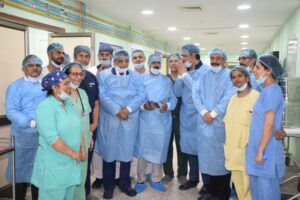
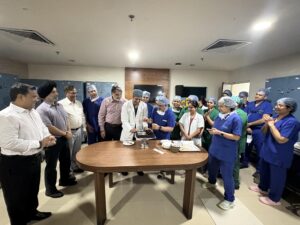
Dr Dharmender Aggarwal recently marked a major milestone in advanced cancer care with the completion of more than 300 robotic urology cancer surgeries in the last 2.5 years – the highest volume in the North region in India. Under the leadership of Dr Dharmender Aggarwal, Consultant, Urology Cancer and Robotic Surgery, this achievement reflects the hospital’s commitment to delivering world-class care for patients with prostate cancer, kidney cancer, and urinary bladder cancer.

Raising the Standards of Uro-Oncology Care

Since joining Fortis Mohali, Dr. Aggarwal has performed a wide range of complex robotic procedures, including:

  1. 100+ Robotic Radical Prostatectomies
    (for patients seeking the best prostate cancer treatment with faster recovery and superior outcomes)
  2. Robotic Partial Nephrectomies
    (a kidney-saving procedure offering the best kidney cancer treatment while preserving healthy kidney tissue)
  3. Robotic Radical Cystectomy with Ileal Conduit & Neo-Bladder Formation
    (a highly advanced surgery performed for patients requiring the best bladder cancer treatment and reconstruction options)

These surgeries highlight the precision, safety, and superior clinical outcomes associated with robotic surgery, especially in complex uro-oncology cases.

How Robotic Surgery Is Transforming Cancer Treatment

Robotic technology has significantly elevated treatment standards for prostate cancer, kidney cancer, and urinary bladder cancer by offering:

  1. Minimal blood loss
  2. Faster recovery and shorter hospital stay
  3. Reduced postoperative pain
  4. Enhanced 3D magnification and surgical precision
  5. Better preservation of organs and critical structures

This advancement is particularly valuable for patients searching for the best kidney cancer treatment, best prostate cancer treatment, and best bladder cancer treatment in the region.

A Team Effort Behind Every Success

Reflecting on the achievement, Dr. Aggarwal emphasizes the importance of teamwork:

“One thing I have learned in the last 2.5 years is that a supportive and hardworking team is the foundation of every big achievement.”

He expresses his gratitude to

  1. The anesthesia team,
  2. OT staff,
  3. support teams,
  4. OPD staff, and
  5. The management at Fortis Hospital Mohali,

for their continuous support in strengthening and streamlining the uro-oncology and robotic surgery program.

Continuing the Commitment to Excellence

With this milestone, the vision remains clear:
To provide advanced, precise, and compassionate care to every patient seeking treatment for prostate cancer, kidney cancer, and bladder cancer.

Fortis Mohali and Dr. Aggarwal’s team remain committed to carrying forward this momentum and delivering the highest standards of robotic urology cancer care.

300+ Robotic Urology Cancer Surgeries Performed By Dr Dharmender Aggarwal at Fortis Hospital, Mohali 100+ Robotic Radical Prostatectomies Performed By Dr Dharmender Aggarwal at Fortis Hospital, Mohali Robotic Partial Nephrectomies Performed By Dr Dharmender Aggarwal

Retzius Sparing robotic radical Prostatectomy: A Breakthrough in Robotic Prostate Cancer Treatment

One of the latest advancements in prostate cancer treatment is the Retzius Sparing Prostatectomy (RSP), a cutting-edge technique designed to improve outcomes and reduce post-surgical complications. This minimally invasive approach, also referred to as prostate cancer robotic surgery, is especially valuable in preserving critical pelvic structures, making recovery smoother and quicker for patients.

Dr Dharmender Aggarwal, a leading urology cancer expert offering prostate cancer treatment in Chandigarh and Mohali, performs this advanced surgery using the Da Vinci robotic system to ensure high precision and better patient outcomes.

Understanding the Retzius Space

The Retzius space, or prevesical space, lies between the pubic bone and the urinary bladder. Traditional prostatectomy techniques often involve navigating through this area, increasing the risk of damage to nerves, vessels, and muscles critical to urinary and sexual function.

The Retzius sparing approach, as its name implies, avoids this space, which contributes to reduced complications, particularly related to urinary continence and erectile function.

How Retzius Sparing Differs from Traditional Prostatectomy

While conventional prostatectomy techniques require access through the Retzius space, the Retzius sparing prostatectomy avoids it entirely. This technique has revolutionized prostate cancer robotic surgery by improving patient comfort and accelerating functional recovery.

Patients undergoing traditional surgery often face issues like delayed continence recovery or compromised sexual health. In contrast, Dr Aggarwal’s Retzius sparing method minimizes trauma and delivers more favorable postoperative outcomes—especially for patients in Chandigarh and Mohali seeking the most advanced treatment options.

Preparing for the Procedure

Before undergoing this robotic-assisted operation, patients are carefully evaluated through:

  1. PSA testing 
  2. Blood and urine tests 
  3. Medical fitness checks 
  4. Pre-operative counseling and informed consent 

Fasting is required for at least 8 hours before surgery.

Step-by-Step: The Retzius Sparing Prostatectomy

Here’s how the procedure is performed:

  1. An IV line is established for fluids and anesthesia. 
  2. Vital signs are continuously monitored during surgery. 
  3. Small incisions are made in the abdominal area. 
  4. The Da Vinci robot is used by Dr Aggarwal from a console to guide robotic arms. 
  5. The camera provides a 3D, magnified view of the internal structures. 
  6. The surgeon carefully dissects the prostate gland, preserving nerves and vessels. 
  7. The Retzius space is left untouched. 
  8. A temporary urethral catheter is inserted. 
  9. Instruments are withdrawn, and incisions are sutured. 
  10. The patient is moved to recovery for post-anesthesia monitoring. 

Post-Operative Recovery & Care Plan

Patients who undergo this robotic prostate cancer treatment in Mohali or Chandigarh typically:

  1. Spend a few hours in observation before being shifted to their room. 
  2. Begin drinking fluids by the same evening. 
  3. Are discharged within 24 hours in most cases. 
  4. Resume normal activities within 3 weeks. 
  5. Require simple wound care and short-term medication for pain. 

Advantages of Retzius Sparing Prostatectomy

Patients across Chandigarh and Mohali choosing this advanced form of prostate cancer robotic surgery can benefit from:

  1. Shorter operation time with minimal invasiveness. 
  2. Lower risk of urinary incontinence thanks to preserved pelvic structures. 
  3. Faster return of urinary continence, sometimes within days. 
  4. Reduced blood loss, minimizing the need for transfusions. 
  5. Improved preservation of sexual function due to careful nerve-sparing. 
  6. Minimal hospital stay and faster overall recovery. 

Disadvantages & Limitations to Consider

While the Retzius sparing technique offers several benefits, there are also challenges:

  1. Requires advanced robotic surgical expertise. 
  2. Not suitable for all prostate cancer cases, especially large or aggressive tumors. 
  3. Potential for nerve damage, though lower than traditional methods. 
  4. Limited long-term outcome data is still being gathered globally. 

Who Is the Ideal Candidate?

The ideal patients for this procedure are those with:

  1. Localized, low-volume, and well-differentiated tumors 
  2. No prior pelvic surgeries or severe comorbidities 
  3. A strong desire to preserve continence and erectile function 

Patients with large prostates or advanced-stage cancers may require alternative approaches.

Prostate Cancer Treatment in Chandigarh & Mohali – Why Choose Dr Dharmender Aggarwal?

Dr Dharmender Aggarwal is a renowned urology cancer expert specializing in prostate cancer treatment in Chandigarh and Mohali. Dr Dharmender Aggarwal has performed more than 800 robotic urology cancer surgeries. With extensive experience in robotic surgery and a patient-first approach, he has helped countless individuals achieve excellent outcomes with minimal side effects.

From preoperative planning to personalized post-op care, every step is designed to ensure comfort, safety, and long-term success.

Ready to Explore Robotic Surgery for Prostate Cancer?

If you or a loved one has been diagnosed with prostate cancer, advanced robotic options like the Retzius Sparing Prostatectomy could be life-changing.

📞Schedule your consultation today with Dr Dharmender Aggarwal and take the first step toward safer, more precise prostate cancer care.

Ignoring Bladder Cancer: The Hidden Dangers Patients Must Know

Hearing the words “You have bladder cancer” can be overwhelming. Yet, many patients delay treatment, hoping the condition might stabilize on its own. Unfortunately, bladder cancer treatment cannot be postponed without serious consequences. Left unchecked, this disease can silently spread, damage vital organs, and even become life-threatening.

In this article, we explore what really happens when bladder cancer is left untreated, why timely care matters, and how patients in Chandigarh and Mohali can access advanced solutions like robotic surgery and urology cancer surgery.

The Silent Progression of Untreated Bladder Cancer

Unlike some health conditions that may improve with time, bladder cancer only grows stronger when ignored. Here’s how the disease can quietly escalate:

1. From Local Growth to Aggressive Spread

Early-stage tumors usually stay within the bladder lining. Without bladder cancer treatment, these tumors can push deeper into the bladder wall and eventually spread to organs like the kidneys, liver, lungs, and bones.

2. Bladder Function Breaks Down

As tumors enlarge, they interfere with how the bladder stores and releases urine. This can cause frequent infections, urine retention, and in severe cases, kidney damage that may require dialysis.

3. Everyday Pain Becomes the New Normal

From blood in urine to pelvic cramps, untreated bladder cancer brings persistent discomfort. Over time, this pain worsens, impacting work, relationships, and overall quality of life.

4. Life-Threatening Consequences

When bladder cancer metastasizes, the survival rate decreases drastically. Untreated cases often progress beyond curative options, leaving only palliative care.

Why Early Treatment Can Change Everything

Catching bladder cancer early gives patients the best chance at long-term survival. Early-stage cancers can often be removed through minimally invasive procedures, sparing patients from more complex surgeries.

The primary goals of timely treatment are to:
✔ Prevent the cancer from spreading
✔ Preserve bladder function
✔ Improve survival rates
✔ Maintain quality of life

Modern Bladder Cancer Treatment Options in Chandigarh & Mohali

Thanks to advancements in urology cancer surgery, patients today have more effective and less invasive treatments available.

  1. TURBT (Transurethral Resection of Bladder Tumor): Ideal for early-stage tumors, allowing safe removal through a minimally invasive scope. 
  2. Radical Cystectomy with Reconstruction: For invasive cancers, removal of the bladder may be necessary, often paired with advanced reconstruction techniques. 
  3. Robotic Surgery: Dr Dharmender Aggarwal specializes in urology robotic surgery, where precision instruments guided by robotic technology provide better outcomes, smaller incisions, and faster recovery. 

Why Patients in Chandigarh & Mohali Trust Robotic Surgery

Patients seeking bladder cancer treatment in Mohali and Chandigarh often choose robotic techniques because they offer:

  1. Enhanced surgical accuracy 
  2. Faster healing and less pain 
  3. Reduced complications 
  4. Better post-surgery quality of life 

FAQs About Bladder Cancer & Its Treatment

Q1. Can bladder cancer go away without treatment?
No, bladder cancer never resolves on its own. Ignoring it only allows the disease to progress.

Q2. Is robotic surgery effective for bladder cancer?
Yes, robotic surgery in urology is highly effective, offering precision, faster recovery, and better preservation of bladder and sexual functions.

Q3. What are the early warning signs of bladder cancer?
The most common symptom is blood in urine (hematuria). Other signs include painful urination, frequent urination, and pelvic discomfort.

Q4. Who provides the best bladder cancer treatment in Chandigarh & Mohali?
Dr Dharmender Aggarwal, a leading uro-oncologist, is widely trusted for bladder cancer treatment, robotic surgery, and urology cancer surgery in the region.

Take Control Before It’s Too Late

Bladder cancer is not a condition to delay. With advanced facilities and expertise in bladder cancer treatment in Mohali and Chandigarh, patients now have access to world-class care close to home.

👉 Book a consultation with Dr Dharmender Aggarwal today to discuss your treatment options, including minimally invasive and robotic surgery. Early action can save not just your bladder—but your life.

Newly Diagnosed With Bladder Cancer? Here’s What You Should Know

Hearing the words “you have bladder cancer” can feel overwhelming. Fear, confusion, and uncertainty are common emotions—but remember, you are not alone. With the right knowledge and expert medical guidance, you can take control of your journey.

Dr Dharmender Aggarwal, a leading urology cancer expert specializing in bladder cancer treatment in Mohali and Chandigarh, helps patients understand their condition and explore treatment paths that offer the best outcomes.

Understanding Your Bladder Cancer Diagnosis

Bladder cancer is one of the more common cancers worldwide. In India, thousands of new cases are detected each year. With advancements in urology cancer surgery and immunotherapy, survival rates are improving, and patients are living longer, healthier lives after treatment.

If you’ve been newly diagnosed, the first step is to understand:

  1. The stage of your cancer (how deep it has spread)
  2. The treatment options available
  3. The potential impact on your lifestyle

What to Expect During Your Journey

1. Diet and Lifestyle Adjustments

While there’s no proven “anti-bladder cancer diet,” maintaining good hydration and including fresh fruits and vegetables can support overall health.

2. Common Side Effects and Symptoms

Bladder cancer or its treatment may cause:

  1. Blood in urine
  2. Fatigue
  3. Appetite loss
  4. Chemotherapy-related nausea
  5. Sexual health changes

Your care team can guide you with medicines, therapies, and lifestyle tips to manage these effects.

3. Personalized Treatment Planning

Every patient’s treatment plan is unique. Options may include:

  1. TURBT (Transurethral Resection of Bladder Tumor): For early-stage cases.
  2. Radical Cystectomy: Removal of the bladder in advanced cases.
  3. Robotic Surgery in Urology: Minimally invasive, precise, and faster recovery.
  4. Immunotherapy: Boosts your immune system to fight cancer cells.

Dr Aggarwal is an expert in urology robotic surgery in Mohali and Chandigarh, ensuring patients benefit from cutting-edge technology.

4. Quality of Life Concerns

Bladder cancer treatment can impact urinary and sexual health. For example:

  1. Men may experience erectile dysfunction post-surgery.
  2. Women may notice changes in sexual arousal or orgasm due to nerve involvement.
  3. Patients with urinary diversion (urostomy) may need guidance on care and lifestyle adjustments.

These issues should be openly discussed with your surgeon so proactive solutions can be planned.

5. Survivorship and Long-Term Care

Once treatment ends, follow-up care remains essential to:

  1. Monitor for recurrence
  2. Manage lingering side effects
  3. Support emotional and physical recovery

A survivorship care plan helps patients transition from treatment to daily life.

Key Questions to Ask Your Doctor

When newly diagnosed, write down questions before meeting your doctor. Some important ones include:

  1. What stage is my bladder cancer?
  2. Do I need surgery, and is robotic surgery an option?
  3. What side effects should I expect, and how can they be managed?
  4. How will treatment affect my fertility or sexual health?
  5. What is the goal of treatment—cure, control, or quality of life?

Coping With a Bladder Cancer Diagnosis

  1. Stay informed: Knowledge reduces anxiety.
  2. Don’t miss appointments: Regular check-ups catch recurrences early.
  3. Seek support: Patient groups, counselors, and online forums can provide guidance and comfort.
  4. Manage side effects: Exercise, diet, medications, and complementary therapies (like yoga or acupuncture) may help.
  5. Emotional health matters: Sadness and depression are common—don’t hesitate to ask for professional help.
  6. Financial planning: Explore support services to manage treatment costs.

FAQs on Bladder Cancer Treatment

Q1. Is robotic surgery better for bladder cancer treatment?
Yes. Robotic surgery offers higher precision, less pain, smaller scars, and faster recovery compared to traditional open surgery.

Q2. Can bladder cancer be cured?
Early-stage bladder cancer treated with TURBT or radical cystectomy often has excellent outcomes. Advanced cases may need immunotherapy or robotic surgery for better control.

Q3. How often should I see my doctor after treatment?
Regular follow-ups every 3–6 months are critical to monitor for recurrence and manage side effects.

Q4. Where can I find the best bladder cancer treatment in Chandigarh and Mohali?
Dr Dharmender Aggarwal, a leading uro-oncologist, specializes in urology cancer surgery and bladder cancer treatment in Mohali and Chandigarh, offering advanced robotic and minimally invasive techniques.

Take the First Step Towards Recovery

Being newly diagnosed is overwhelming, but expert care can make all the difference. If you’re searching for the most advanced bladder cancer treatment in Mohali or Chandigarh, consult Dr Dharmender Aggarwal, a trusted urology cancer expert skilled in urology robotic surgery and advanced cancer therapies.

👉 Book your consultation today and begin your journey toward recovery with confidence.

Bladder Cancer Treatment: Surgery vs. Immunotherapy – Which Is Right for You?

A bladder cancer diagnosis can leave patients and families feeling uncertain about what lies ahead. The two most widely discussed treatment options today are surgery and immunotherapy. Both can be life-saving—but they work differently, and choosing the right path depends on individual factors like cancer stage, health condition, and treatment goals.

Dr Dharmender Aggarwal, a leading urology cancer expert offering bladder cancer treatment in Mohali and Chandigarh, shares insights into how surgery and immunotherapy compare, and when each may be the most effective option.

Surgical Options for Bladder Cancer

Surgery continues to be one of the most effective ways to treat bladder cancer, particularly when the disease is detected at an early or localized stage.

Common Surgical Procedures

  1. TURBT (Transurethral Resection of Bladder Tumor): A minimally invasive option used for early-stage tumors. A scope is inserted through the urethra to remove abnormal tissue without external incisions.
  2. Radical Cystectomy: Recommended for advanced cases. It involves removal of the entire bladder and nearby lymph nodes. In some cases, reconstructive procedures (like a neobladder) are performed to restore urinary function.

Thanks to urology robotic surgery, patients in Mohali and Chandigarh now benefit from:
✔ Smaller incisions
✔ Reduced pain and blood loss
✔ Faster recovery and shorter hospital stay
✔ High precision in cancer removal

Immunotherapy: Harnessing the Immune System

Unlike surgery, immunotherapy doesn’t remove tumors directly. Instead, it empowers the body’s immune system to identify and attack cancer cells.

How It Works

  1. Immune checkpoint inhibitors block certain proteins that help cancer hide from the immune system.
  2. Once unmasked, the immune system can recognize and destroy cancer cells more effectively.

When It’s Used

  1. Advanced or metastatic bladder cancer
  2. Cases where surgery isn’t possible
  3. As an additional treatment after surgery to lower recurrence risk

Immunotherapy has significantly improved survival rates for patients with advanced bladder cancer and is less invasive compared to traditional approaches.

Comparing Surgery and Immunotherapy

Factor Surgery Immunotherapy
Best for Localized or early-stage cancer Advanced/metastatic cancer
Approach Physically removes tumors Activates immune defense
Recovery Hospital stay + weeks of healing Outpatient treatment, gradual effect
Side Effects Pain, infection, changes in urinary function Fatigue, rashes, immune-related issues
Goal Potential cure (if detected early) Control disease, extend survival


The choice between the two often depends on a careful balance of medical need, patient health, and lifestyle considerations.

A Holistic Approach to Care in Mohali & Chandigarh

Patients are offered a personalized plan that may combine both surgery and immunotherapy, depending on their case.

With expertise in urology cancer surgery and robotic surgery, Dr Aggarwal ensures that each patient receives world-class care backed by advanced technology and compassionate support.

There’s no single “best” treatment for bladder cancer—only the treatment that is best for you. Whether it’s advanced urology robotic surgery or breakthrough immunotherapy, the right decision requires expert guidance.

👉 If you or a loved one is seeking bladder cancer treatment in Mohali or Chandigarh, book a consultation with Dr Dharmender Aggarwal, an experienced urology cancer expert specializing in robotic and minimally invasive cancer surgeries. Early action can change the outcome.

FAQs on Bladder Cancer Treatment

Q1. Is bladder cancer always treated with surgery?
Not always. Early-stage bladder cancer may be treated with TURBT and intravesical therapy, while advanced cases may need immunotherapy or chemotherapy.

Q2. What is the advantage of robotic surgery in bladder cancer treatment?
Robotic surgery provides greater precision, minimal scarring, and faster recovery compared to open surgery.

Q3. Who is a candidate for immunotherapy in bladder cancer?
Patients with advanced or recurrent bladder cancer, especially those who cannot undergo surgery, are usually considered for immunotherapy.

Q4. Where can I find the best bladder cancer treatment in Mohali and Chandigarh?
Dr Dharmender Aggarwal is one of the leading uro-oncologists in the region, specializing in urology cancer surgery and robotic surgery for bladder cancer.

Bladder Cancer Care: A Patient’s Guide to Modern Treatment

A bladder cancer diagnosis often brings more questions than answers. Patients worry about whether surgery is needed, how treatment will affect their daily life, and what the chances of recovery are.

Dr Dharmender Aggarwal, one of the leading urology cancer experts offering bladder cancer treatment in Mohali and Chandigarh, believes that the right treatment journey begins with clarity and trust. Here’s a patient-focused breakdown of how treatment unfolds step by step.

Understanding the Nature of Bladder Cancer

Bladder cancer can appear in two primary forms:

  1. Non-muscle invasive: Found in the inner lining of the bladder, often treatable with minor procedures and medication.
  2. Muscle-invasive: More advanced, spreading deeper into the bladder wall or nearby organs.

To determine the exact type, Dr Aggarwal recommends:

  1. Urine-based tests and cytology
  2. Cystoscopy (camera-guided bladder exam)
  3. Imaging scans like CT and MRI for staging
  4. Biopsy for confirmation

Early, accurate staging ensures the most effective treatment strategy.

Precision Surgery Options

  1. TURBT (Transurethral Resection of Bladder Tumor): A no-cut, minimally invasive method for early-stage cancers.
  2. Partial or Radical Cystectomy: For deeper growths, where part or all of the bladder may be removed.
  3. Reconstructive Surgeries (Neobladder/Urostomy): Allow patients to maintain urinary function after complete bladder removal.

With urology robotic surgery, recovery is faster, blood loss is minimal, and outcomes are superior compared to traditional open surgery.

Intravesical Therapy (Bladder-Directed Medication)

For superficial cancers, medication such as BCG or chemotherapy is delivered directly into the bladder. This outpatient treatment reduces recurrence and avoids systemic side effects.

Image-Guided Radiation Therapy

For patients who cannot undergo surgery or need additional therapy after an operation, radiation offers:

  1. Non-invasive, painless treatment
  2. High precision targeting of cancer cells
  3. Minimal damage to surrounding tissues

Systemic Therapies for Advanced Cancer

When cancer spreads beyond the bladder, more comprehensive options are used:

  1. Chemotherapy: Helps shrink tumors and control progression.
  2. Immunotherapy: Boosts the body’s defense system to fight cancer cells.

These are often combined with supportive care, including nutrition and counseling, to reduce side effects.

Healing Beyond the Hospital: Recovery & Support

Treatment doesn’t end after surgery or therapy. Dr Aggarwal emphasizes a holistic approach to recovery, including:

  1. Personalized nutrition plans for faster healing
  2. Urology-focused physiotherapy and pelvic rehab
  3. Regular follow-ups with cystoscopy and imaging
  4. Emotional and psychological support for patients and families

Why Choose Dr Dharmender Aggarwal for Bladder Cancer Care?

With expertise in bladder cancer treatment in Mohali and Chandigarh, Dr Aggarwal combines advanced techniques like robotic surgery with compassionate patient care. His focus is not only on treating cancer but also on helping patients return to normal life with confidence.

👉 If you or your loved one is facing a bladder cancer diagnosis, schedule a consultation with Dr Dharmender Aggarwal, expert in urology cancer surgery and robotic surgery. Early action can make all the difference.

FAQs: Bladder Cancer Treatment

Q1. Can bladder cancer be completely cured?
Yes, when detected early, bladder cancer is highly treatable with surgery and intravesical therapy. Advanced cases can be controlled effectively with multimodal treatment.

Q2. How does robotic surgery improve bladder cancer outcomes?
Robotic surgery provides higher precision, smaller incisions, faster recovery, and fewer complications compared to conventional surgery.

Q3. Is bladder cancer likely to return after treatment?
Bladder cancer does have a recurrence risk, which is why ongoing monitoring with cystoscopy is crucial.

Q4. Which doctor is best for bladder cancer treatment in Mohali and Chandigarh?
Dr Dharmender Aggarwal is among the most trusted uro-oncologists specializing in urology robotic surgery and advanced bladder cancer care in the region.