Your Most Trusted Urologist

Is Prostate Cancer Curable? Everything You Should Know

Hearing the word cancer can be frightening. But here’s the reassuring truth: prostate cancer is one of the most treatable cancers in men—especially when diagnosed early. With advancements in prostate cancer treatment in Mohali and Chandigarh, including robotic surgery and precision therapies, many men live long, healthy, and fulfilling lives after treatment.

Dr Dharmender Aggarwal, a highly experienced urology cancer expert, offers comprehensive and personalized treatment options designed to suit every patient’s stage and condition.

Can Prostate Cancer Really Be Treated?

Yes—prostate cancer treatment is highly successful when detected early while the cancer is still confined to the prostate gland. Even in advanced stages, treatments help slow disease progression, relieve symptoms, and improve quality of life.

Treatment success depends on:

  1. Stage of cancer at diagnosis 
  2. Whether the cancer is slow-growing or aggressive 
  3. Age and overall health of the patient 

Treatment Options for Prostate Cancer in Mohali & Chandigarh

Every patient’s treatment journey is unique. Dr Aggarwal tailors treatment plans based on stage, PSA levels, Gleason score, and overall health.

1. Active Surveillance (Watchful Waiting)

Not all prostate cancers require immediate treatment. In low-risk cases, doctors may recommend close monitoring through:

  1. PSA blood tests 
  2. MRI scans 
  3. Biopsies 

This avoids unnecessary treatment while ensuring safety.

2. Surgery (Robotic Radical Prostatectomy)

Robotic surgery is one of the most advanced and precise methods for treating prostate cancer. Unlike traditional surgery, urology robotic surgery ensures:

  1. Faster recovery 
  2. Less pain and bleeding 
  3. Better preservation of urinary and sexual function 

It is often recommended for younger patients aiming for a complete cure.

3. Radiation Therapy

High-energy radiation is used to kill cancer cells. It may be offered as:

  1. A primary treatment instead of surgery 
  2. Post-surgery to prevent recurrence 
  3. Palliative therapy in advanced cancer for pain control 

Both external beam radiation and brachytherapy (internal radiation seeds) are effective options. Radiation therapy is usually considered when a patient is not willing or not fit for any surgical intervention.

4. Hormone Therapy (Androgen Deprivation Therapy – ADT)

Since prostate cancer cells depend on testosterone, hormone therapy lowers hormone levels to control cancer growth. It is usually recommended when:

  1. Cancer has spread outside the prostate 
  2. Cancer recurs after surgery or radiation 
  3. Surgery or radiation isn’t suitable 

5. Chemotherapy

For advanced cases, chemotherapy drugs destroy rapidly growing cancer cells. It is used when:

  1. Cancer spreads to distant organs 
  2. Hormone therapy is no longer effective 

6. Advanced Options: Targeted & Immunotherapy

Modern urology cancer surgery and advanced medical care now include:

  1. Targeted therapy (for cancers with specific genetic changes) 
  2. Immunotherapy (boosting the immune system to fight cancer) 

7. Supportive & Palliative Care

For widespread cancer, treatment focuses on improving comfort and quality of life through:

  1. Pain management 
  2. Nutritional guidance 
  3. Emotional support for patients and families 

Can Prostate Cancer Come Back?

Yes, recurrence is possible. Regular follow-ups with PSA monitoring and imaging scans are essential to catch it early. If it does return, secondary treatments like radiation, hormone therapy, or chemotherapy can effectively manage it.

Choosing the Right Treatment Plan

The best treatment depends on:

  1. Stage of cancer 
  2. PSA levels and Gleason score 
  3. Age and general health 
  4. Lifestyle and personal preferences 

Dr Dharmender Aggarwal’s expertise in prostate cancer treatment in Chandigarh and Mohali ensures that every patient receives a well-structured, personalized, and compassionate care plan.

Prostate cancer is treatable and often curable. Thanks to advanced technologies like robotic surgery and specialized urology cancer surgery, men today have far better treatment outcomes. Early detection and expert care are the keys to living a long, healthy life after diagnosis.

👉 Book a consultation with Dr Dharmender Aggarwal, the leading urology cancer expert for prostate cancer treatment in Mohali and Chandigarh, and take the first step towards recovery today.

FAQs on Prostate Cancer Treatment

Q1. Is prostate cancer always curable?
If detected early and confined to the prostate, many cases are fully curable with surgery or radiation.

Q2. Does every patient need surgery?
No. Some patients may benefit more from radiation, hormone therapy, or active surveillance depending on their stage and health. However, surgical treatment is considered the gold standard for prostate cancer, if feasible.

Q3. Is robotic surgery better than traditional surgery?
Yes. Robotic surgery offers higher precision, reduced complications, and faster recovery compared to open surgery.

Q4. Can prostate cancer come back after treatment?
Yes, but with regular follow-ups and modern treatment strategies, recurrence can be detected and managed effectively.

Understanding the Stages of Prostate Cancer and Treatment Options

Prostate cancer is one of the most common cancers affecting men. Like many other cancers, it develops gradually through different stages, and each stage plays a key role in deciding the right prostate cancer treatment. With modern advances such as robotic surgery, urology cancer surgery, and targeted therapies, patients today have better outcomes and faster recovery.

Dr Dharmender Aggarwal, a leading uro-oncologist specializing in prostate cancer treatment in Mohali and Chandigarh, explains the stages of prostate cancer and the treatment options available.

How Doctors Determine the Stage of Prostate Cancer

Staging helps identify how far cancer has spread and which treatment approach will be most effective. The process may involve:

  1. PSA Blood Test (Prostate-Specific Antigen): Elevated PSA levels often indicate prostate cancer.

  2. Gleason Score: A grading system that shows how aggressive the cancer is.

  3. Imaging Tests (MRI, PET-CT, Bone Scan): To detect cancer spread.

  4. TNM Classification: Evaluates tumor size (T), lymph node involvement (N), and metastasis (M).

Stages of Prostate Cancer

Stage 1: Early Localized Prostate Cancer

  1. Cancer is small and confined to the prostate.

  2. Gleason Score: 6 (low grade).

  3. PSA: Below 10 ng/mL.

  4. Treatment Options: Active surveillance, radiation therapy, or minimally invasive robotic radical prostatectomy.

  5. Prognosis: Excellent, with near 100% survival rate.

Stage 2: Localized Prostate Cancer (2A, 2B, 2C)

  1. Tumor is larger but still confined to the prostate.

  2. Gleason Score: 7 (moderate).

  3. PSA: 10–20 ng/mL.

  4. Treatment Options: Radiation therapy or urology robotic surgery for precise removal.

  5. Prognosis: Very high, with a high chance of cure.

Stage 3: Locally Advanced Prostate Cancer

  1. Cancer spreads beyond the prostate to nearby tissues such as seminal vesicles.

  2. Gleason Score: 8 or above.

  3. PSA: Above 20 ng/mL.

  4. Treatment Options: Combination of robotic surgery, radiation therapy, and hormone therapy (ADT).

  5. Prognosis: Manageable but with higher risk of recurrence.

Stage 4: Advanced/Metastatic Prostate Cancer

  1. Cancer spreads to bones, lymph nodes, liver, or lungs.

  2. Gleason Score: 8–10 (aggressive).

  3. PSA: Often very high (>20 ng/mL).

  4. Treatment Options: Hormone therapy, chemotherapy, targeted therapies, and immunotherapy. Surgery such as TURP or bilateral orchidectomy may be required for symptom relief.

  5. Prognosis: Less favorable, but modern treatments help extend life and manage symptoms effectively.

Why Early Detection Matters

Men over 50—or over 45 with a family history of prostate cancer—should regularly discuss PSA testing with their doctor. Early detection allows for timely prostate cancer treatment in Chandigarh or Mohali, which can result in excellent survival rates.

Advanced Treatment with Robotic Surgery

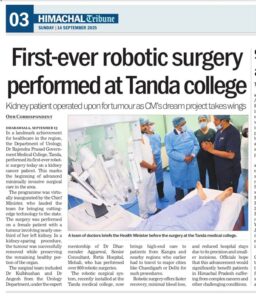
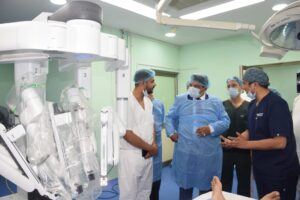
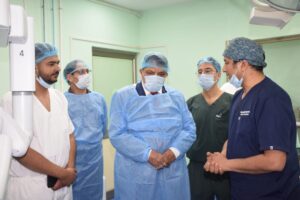
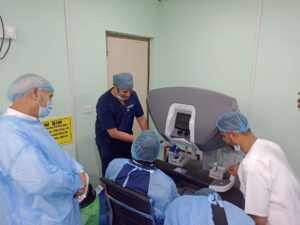
For many patients, robotic surgery offers superior precision compared to traditional methods. It minimizes blood loss, reduces recovery time, and preserves urinary and sexual function. Dr Dharmender Aggarwal is highly experienced in urology robotic surgery and provides personalized treatment plans for better patient outcomes. He has already performed more than 800 robotic urology cancer surgeries till now.

Take the First Step Towards Better Care

If you or a loved one is facing prostate cancer, don’t delay. Early consultation with a specialist can make a life-changing difference.

👉 Book an appointment with Dr Dharmender Aggarwal today to explore the most advanced options for prostate cancer treatment, including robotic surgery.

FAQs on Prostate Cancer Stages and Treatment

Q1. Which stage of prostate cancer is most curable?
Stages 1 and 2, when cancer is localized, have the highest cure rates with robotic surgery or radiation therapy.

Q2. How long can someone live with Stage 4 prostate cancer?
With modern treatments like hormone therapy and chemotherapy, many patients live for several years while maintaining quality of life.

Q3. Is robotic surgery safe for prostate cancer?
Yes. Urology robotic surgery is minimally invasive, safe, and offers quicker recovery compared to traditional open surgery.

Q4. Should all men get PSA screening?
PSA screening is recommended for men above 50, or above 45 with a family history of prostate cancer. Early screening saves lives.

Prostate Cancer Treatment – Your Complete Guide

Understanding Prostate Cancer

Prostate cancer is among the most common urological cancers affecting men, especially those over the age of 50. It begins in the prostate gland—a small walnut-shaped organ located just below the bladder and around the urethra, playing a key role in producing seminal fluid.

In many cases, prostate cancer develops slowly. But in some patients, it can become aggressive, requiring timely and advanced prostate cancer treatment to prevent further spread. With modern techniques like urology robotic surgery and urology cancer surgery, outcomes have improved significantly, offering patients better precision and quicker recovery.

Early Signs and Symptoms You Shouldn’t Ignore

Prostate cancer often shows little to no symptoms in its early stages. As it progresses, men may experience:

  1. Difficulty or pain while urinating 
  2. Increased frequency of urination, especially at night 
  3. Weak or interrupted urine flow 
  4. Blood in urine or semen 
  5. Erectile dysfunction 
  6. Persistent back or pelvic pain 
  7. Sudden, unexplained weight loss and fatigue 

If you experience any of these symptoms, timely consultation with a specialist in prostate cancer treatment in Mohali or Chandigarh is crucial.

Why Does Prostate Cancer Develop?

While the exact cause of prostate cancer isn’t always clear, certain risk factors include:

  1. Age: Higher risk after 50 years 
  2. Genetics & Family History: Men with close relatives diagnosed with prostate cancer face higher risks 
  3. Obesity: Linked to more aggressive prostate cancers 
  4. Lifestyle Factors: Poor diet, smoking, and lack of exercise can also contribute 

How is Prostate Cancer Diagnosed?

Diagnosis usually involves:

  1. PSA Blood Test (Prostate-Specific Antigen): To detect elevated PSA levels that may indicate cancer 
  2. Digital Rectal Examination (DRE): To check for irregularities in the prostate 
  3. Imaging (Ultrasound or MRI): To evaluate the prostate and surrounding structures 
  4. Biopsy: A tissue sample confirms the presence of cancer cells 

Advanced Prostate Cancer Treatment Options

Treatment depends on cancer stage, age, and overall health. Dr Dharmender Aggarwal, an expert in prostate cancer treatment in Chandigarh and Mohali, offers the latest treatment options, including:

1. Surgery

  • Radical Prostatectomy: Removal of the prostate gland and surrounding tissues. 
  • Robotic Surgery: Advanced urology robotic surgery ensures minimal cuts, less pain, faster healing, and better preservation of urinary and sexual function. 

2. Radiation Therapy

High-energy beams are used to destroy cancer cells. Often recommended post-surgery to prevent recurrence.

3. Chemotherapy

Anti-cancer drugs (oral or intravenous) that target rapidly dividing cancer cells in advanced stages.

4. Hormone Therapy

Also known as androgen deprivation therapy, it lowers or blocks male hormones that fuel cancer growth.

Living Well After Treatment

Recovery after urology cancer surgery or robotic-assisted surgery is often faster compared to traditional methods. Maintaining a healthy lifestyle, regular exercise, and follow-up check-ups play a vital role in long-term cancer management.

Why Choose Dr Dharmender Aggarwal?

Dr Dharmender Aggarwal is one of the most trusted urology cancer specialists offering prostate cancer treatment in Mohali with expertise in robotic surgery and advanced cancer care. He has performed more than 800 robotic urology cancer surgeries till now. His patient-centric approach ensures personalized treatment, compassionate care, and the latest minimally invasive techniques for better outcomes.

👉 Book your consultation with Dr Dharmender Aggarwal today and take the first step towards advanced, effective prostate cancer treatment.

FAQs on Prostate Cancer Treatment

Q1. What is the most effective treatment for prostate cancer?
The best treatment depends on the stage of cancer. Early-stage cases often respond well to robotic surgery, while advanced stages may need a combination of therapies.

Q2. Is robotic surgery better for prostate cancer?
Yes. Robotic-assisted prostatectomy offers better precision, minimal blood loss, quicker recovery, and reduced complications compared to open surgery.

Q3. Can prostate cancer be cured completely?
If detected early and treated with advanced methods like urology robotic surgery, prostate cancer has a high cure rate.

Q4. How long is recovery after prostate cancer surgery?
Recovery varies but with robotic surgery and advanced techniques most patients return to normal activities within 2-3 weeks.

Living After Kidney Cancer Treatment: Recovery & Support

Beginning the Journey of Recovery

Completing Kidney Cancer Treatment is a significant milestone, but recovery does not end the day treatment stops. For patients in Mohali and Chandigarh, regaining strength and returning to everyday life takes time, patience, and the right medical support. Whether you underwent urology cancer surgery, urology robotic surgery, or non-surgical treatments, the healing process is both physical and emotional.

With the expertise of Dr Dharmender Aggarwal, a leading urology cancer specialist in Mohali, patients receive not only advanced care but also continuous guidance on living well after treatment.

Recovery After Kidney Cancer Surgery

For many patients, treatment begins with surgery, often performed through robotic surgery or minimally invasive techniques. After a partial or radical nephrectomy:

  1. Hospital stay usually lasts a few days.
  2. Pain management, wound care, and gentle movement are encouraged to prevent complications.
  3. Tubes or catheters may be temporarily placed and removed once safe.
  4. At home, patients must avoid heavy lifting, strenuous exercise, or driving for a few weeks.

Complete recovery may take 6–12 weeks depending on the surgery type and overall health. During this period, support from family and friends is crucial for daily tasks.

Lifestyle Adjustments for Long-Term Health

Life after Kidney Cancer Treatment requires lifestyle changes to protect kidney function and reduce the risk of recurrence. Some essential steps include:

  1. Quit smoking & alcohol – These habits damage kidney health and increase the risk of future complications.
  2. Eat a kidney-friendly diet – Include fresh fruits, vegetables, and whole grains. Reduce red meat, processed food, and excess salt.
  3. Stay hydrated – Aim for at least 2 liters of water daily unless restricted by your doctor.
  4. Maintain a healthy weight – Regular exercise and portion control help reduce the risk of high blood pressure and diabetes, both of which can affect kidney health.

By making these changes, patients undergoing Kidney Cancer Treatment in Mohali can improve their recovery outcomes and overall quality of life.

Emotional Healing After Treatment

The emotional impact of cancer treatment can sometimes be as challenging as the physical recovery. Feelings of anxiety, stress, or depression are common. Support options include:

  1. Counseling and therapy
  2. Meditation, yoga, or relaxation techniques
  3. Joining cancer support groups
  4. Talking openly with family and friends

Building a strong support system is key to emotional resilience.

Life with a Urostomy Bag

Most patients who undergo urology cancer surgery for kidney cancer do not need a urostomy bag unless the bladder is also removed. In rare cases where both the kidney and bladder are affected, surgeons create a stoma (an opening in the abdomen) for urine to drain into a urostomy bag.

Modern bags are secure and discreet, allowing patients to continue daily activities with confidence. Dr Dharmender Aggarwal and his team provide detailed guidance on adjusting to life with a urostomy bag if needed.

Regular Follow-Up Care

After Kidney Cancer Treatment, ongoing follow-ups are critical. Regular scans, blood tests, and consultations with your oncology team help monitor recovery and detect any signs of recurrence early.

Your care plan may also include lifestyle counseling and preventive advice tailored to your health needs.

FAQs on Life After Kidney Cancer Treatment

  1. How long does recovery take after kidney cancer surgery?
    Recovery usually takes 6–12 weeks depending on the surgery type and overall health. Patients who undergo robotic surgery often recover faster due to its minimally invasive approach.
  2. Can I live a normal life with one kidney?
    Yes. Many people live long, healthy lives with one kidney. Lifestyle changes and regular medical check-ups are essential.
  3. Who is the best uro oncologist for kidney cancer in Mohali?
    Dr Dharmender Aggarwal is one of the most trusted specialists for Kidney Cancer Treatment in Mohali, known for his expertise in urology robotic surgery and advanced cancer care. He has performed more than 800 robotic cancer surgeries for urological cancers.

Living after Kidney Cancer Treatment involves more than medical care. It requires a commitment to lifestyle changes, emotional healing, and regular follow-up appointments. Patients in Chandigarh and Mohali now have access to world-class treatments such as robotic surgery and personalized recovery plans without the need to travel to metro cities.

👉 To receive expert guidance and comprehensive care after Kidney Cancer Treatment in Mohali, book your consultation with Dr Dharmender Aggarwal, a leading urology cancer specialist dedicated to advanced urology cancer surgery and long-term patient wellness.

📞 Take the first step toward recovery—schedule your appointment today.

Kidney Cancer Treatment: What Patients Should Expect

Understanding Kidney Cancer and Its Treatment

Kidney cancer occurs when normal cells in the kidney mutate and grow uncontrollably. It is one of the most complex urological cancers, and treatment depends on the stage of cancer, the patient’s overall health, and the type of tumor.

For patients in Mohali and Chandigarh, modern medicine now offers advanced therapies ranging from urology cancer surgery and robotic surgery to non-surgical treatments like ablation, immunotherapy, and targeted therapy. Under the expertise of Dr Dharmender Aggarwal, one of the best urology cancer specialists in Mohali, treatment approaches are highly personalized for better results.

First-Line Approach: Surgery for Kidney Cancer

Surgery remains the most effective treatment for localized kidney cancer (stages 1–3). The two main surgical procedures are:

  1. Partial Nephrectomy – Only the cancerous part of the kidney is removed, preserving as much kidney function as possible.
  2. Radical Nephrectomy – The entire kidney is removed, along with nearby tissues if cancer has spread.

Today, urology robotic surgery in Mohali has revolutionized how these procedures are performed. Robotic surgery ensures:

  1. Smaller incisions and faster recovery
  2. Minimal blood loss
  3. Higher surgical precision
  4. Shorter hospital stay

Patients can live a healthy life with one kidney, and even with part of a kidney in many cases. When both kidneys are affected, dialysis or a transplant may be required.

When Surgery Isn’t an Option: Alternative Treatments

Not all patients are suitable for surgery. In such cases, specialists may recommend:

Ablation Techniques

  • Cryotherapy: Freezing cancer cells using liquid nitrogen.
  • Radiofrequency Ablation: Burning the tumor cells with heat.
    These are guided by imaging techniques like ultrasound and are minimally invasive procedures.

Embolisation

Also known as arterial embolisation, this procedure cuts off blood supply to the tumor, shrinking it. While it does not remove cancer, it helps control growth until surgery or other treatments are possible.

Radiotherapy

Used mainly for advanced cases, radiation therapy targets cancer cells with high-energy waves. It is often used for palliative care—to reduce pain or other symptoms when surgery is not possible.

Advanced Therapies for Kidney Cancer Patients

Targeted Therapy

Medications that block cancer’s growth signals and cut off its blood supply. These treatments are especially helpful in advanced stages and after surgery to reduce recurrence risk.

Immunotherapy

This treatment boosts the body’s immune system to recognize and destroy cancer cells. Drugs like immune checkpoint inhibitors (Nivolumab, Pembrolizumab) are proving highly effective in advanced cases. Some forms are given intravenously, while others are administered through injections.

Side effects vary but are generally manageable with proper medical guidance.

The Role of a Multidisciplinary Team

A multidisciplinary team (MDT) approach ensures comprehensive care. This team may include:

  1. Urologists
  2. Oncologists (medical and radiation specialists)
  3. Radiologists & pathologists
  4. Specialist cancer nurses
  5. Dieticians, physiotherapists & counselors

This team-based approach ensures patients receive the best Kidney Cancer Treatment in Chandigarh and Mohali, tailored to their needs.

Lifestyle & Recovery During Kidney Cancer Treatment

Cancer treatment isn’t just about medical therapies. Patients are encouraged to:

  • Eat a healthy, balanced diet
  • Stay active with light exercises
  • Explore complementary therapies like yoga, meditation, and art therapy
  • Join support groups for emotional strength

This holistic approach helps patients manage side effects better and maintain their overall well-being.

FAQs on Kidney Cancer Treatment

  1. Is robotic surgery available for kidney cancer in Mohali?
    Yes, urology robotic surgery in Mohali is available under experts like Dr Dharmender Aggarwal, providing advanced, minimally invasive surgical care.
  2. What is the best treatment for early-stage kidney cancer?
    For early stages, surgery (partial or radical nephrectomy) is the gold standard. Robotic surgery offers precision and faster recovery.
  3. Can kidney cancer be treated without surgery?
    Yes, procedures like ablation, embolisation, and systemic treatments such as immunotherapy and targeted therapy can help in cases where surgery is not possible.

Who is the best doctor for kidney cancer treatment in Mohali?
Dr Dharmender Aggarwal is a leading uro oncologist specializing in urology cancer surgery and robotic surgery in Mohali, with expertise in advanced kidney cancer care.

Hope for Patients in Chandigarh & Mohali

With innovations in Kidney Cancer Treatment, patients today have more options than ever before. From robotic surgery to targeted therapies and immunotherapy, cancer care is becoming safer, less invasive, and more effective.

👉 If you or your loved one is searching for the best Kidney Cancer Treatment in Mohali or Chandigarh, consult Dr Dharmender Aggarwal, a trusted urology cancer specialist known for his expertise in urology robotic surgery and cancer care.

📞 Book an appointment today and take the first step towards advanced, world-class kidney cancer care right here in Punjab.

Kidney Cancer Treatment in Mohali & Chandigarh: Breakthroughs Patients Should Know in 2025

A New Era of Kidney Cancer Care in Mohali & Chandigarh

The year 2025 marks a turning point in kidney cancer treatment. Patients in Chandigarh and Mohali now have access to therapies that were once considered futuristic. With the rise of robotic surgery, advanced drug therapies, and personalized cancer vaccines, the future of urology cancer surgery looks brighter than ever.

Under the guidance of specialists like Dr Dharmender Aggarwal, patients no longer need to travel outside Punjab for cutting-edge treatment.

Why Kidney Cancer Has Been Difficult to Treat

Unlike some cancers, kidney cancer—especially clear cell renal cell carcinoma (ccRCC)—does not always respond well to chemotherapy. Late-stage diagnoses make matters worse. But thanks to urology robotic surgery and newly approved systemic therapies, outcomes are rapidly improving for patients in this region.

Robotic Surgery: The Game-Changer in Kidney Cancer

One of the most significant advances is the rise of robotic surgery in Mohali and Chandigarh. Unlike traditional open surgery, robotic-assisted procedures offer:

  • Smaller incisions and faster recovery

  • Minimal blood loss

  • Higher precision for tumor removal

  • Better preservation of kidney function

For patients undergoing urology cancer surgery, robotic technology ensures both safety and improved long-term outcomes.

Smart Drugs That Target Cancer

Targeted therapy has transformed the way oncologists treat kidney cancer. Instead of damaging healthy cells, these drugs block pathways that fuel cancer growth.

  • Belzutifan (Welireg): Blocks HIF-2α in the VHL pathway and has shown remarkable success in shrinking tumors.

  • Drug combinations: Researchers are now combining targeted medicines with immunotherapy for even greater results.

For patients seeking Kidney Cancer Treatment in Chandigarh or Mohali, targeted therapy provides a highly personalized approach with fewer side effects.

Immunotherapy: Teaching the Immune System to Fight Back

Immunotherapy has already proven to be one of the most powerful treatments for kidney cancer patients.

  • Checkpoint inhibitors (like Nivolumab and Pembrolizumab) allow the immune system to recognize and destroy cancer cells.

  • Combination regimens have doubled survival rates for some patients with advanced disease.

  • Newer therapies are being tested in trials, with the aim of making immunotherapy even more effective.

For those undergoing urology cancer surgery in Mohali, immunotherapy often works as an excellent follow-up treatment to reduce recurrence risks.

Personalized Cancer Vaccines: Tailored to Each Patient

One of the biggest scientific leaps in 2025 is the creation of personalized kidney cancer vaccines.

Instead of one-size-fits-all, these vaccines are designed from a patient’s own tumor. They train the immune system to prevent cancer from coming back after surgery. In early studies, patients treated with these vaccines remained cancer-free for nearly three years.

This breakthrough offers new hope for patients undergoing Kidney Cancer Treatment in Mohali and Chandigarh who want precision-driven care.

CAR-T Therapy: A Future Hope for Kidney Cancer Patients

CAR-T therapy—where a patient’s immune cells are reprogrammed to fight cancer—has already changed the future of blood cancer. Now, it’s being tested for kidney tumors.

Trials are underway using CAR-T to target tumor-specific proteins like CA9 and PSMA, potentially making kidney cancer treatment even more powerful.

Smarter Radiation: When Surgery Isn’t an Option

Not every patient is a candidate for surgery. That’s where modern radiation comes in:

  • SABR (Stereotactic Ablative Body Radiotherapy): Highly focused radiation with minimal side effects.

  • ART (Adaptive Radiation Therapy): Uses live imaging to adapt treatment in real time.

For kidney cancer patients in Chandigarh and Mohali, these techniques provide good alternatives when surgery isn’t possible.

Can Patients Stop Treatment After a Few Years?

Excitingly, new research shows that some patients responding well to treatment can safely pause therapy after two years. This means fewer side effects, reduced costs, and a much better quality of life, all without affecting survival.

Why Local Patients Benefit from Global Breakthroughs

With cutting-edge Kidney Cancer Treatment in Chandigarh and Mohali, patients don’t need to travel to metro cities anymore. From robotic surgery to advanced immunotherapy, everything is available locally under the expertise of Dr Dharmender Aggarwal, a renowned uro oncologist in Mohali specializing in urology robotic surgery and precision-based cancer care. 

FAQs

Is robotic surgery better than traditional kidney cancer surgery?
Yes. Robotic surgery offers more precision, faster recovery, and better kidney preservation compared to open surgery.

What are the newest drug therapies for kidney cancer?
Targeted medicines like Belzutifan and immunotherapy combinations are currently the most promising drug treatments in 2025.

Are personalized cancer vaccines available in India?
They are still in early clinical trials but are expected to be available in advanced cancer centers, including in Punjab in the near future.

Who is the best uro oncologist for kidney cancer in Mohali?
Dr Dharmender Aggarwal is a leading uro oncologist offering advanced urology cancer surgery and robotic surgery for kidney cancer patients in Mohali and Chandigarh.

Hope for Kidney Cancer Patients in 2025

The journey of Kidney Cancer Treatment is no longer limited to traditional surgery or chemotherapy. With the rise of robotic surgery, targeted drugs, immunotherapy, and cancer vaccines, the outlook for patients has never been brighter.

👉 If you or your loved one is seeking Kidney Cancer Treatment in Mohali or Chandigarh, schedule a consultation with Dr Dharmender Aggarwal today for world-class care, advanced surgical options, and personalized treatment strategies.

📞 Book your appointment now and take a confident step toward recovery.

Robotic Adrenal Gland Surgery: Safety, Success, and the Future of Minimally Invasive Adrenal Cancer Care

Advancements in minimally invasive surgery have redefined how adrenal gland tumors are treated. Among the most revolutionary techniques is robotic adrenalectomy, a procedure that combines precision with safety—making it an ideal choice for patients diagnosed with adrenal cancer or benign adrenal tumors.

Dr Dharmender Aggarwal, a leading uro-oncologist and widely regarded as the best urology cancer specialist in India, specializes in delivering high-precision outcomes through robotic surgery for adrenal gland tumors. His approach not only ensures safer tumor removal but also offers quicker recovery and significantly fewer complications.

Why Robotic Surgery is Setting New Standards in Adrenal Gland Tumor Treatment

Minimized Blood Loss

Robotic technology utilizes advanced micro-instruments that allow precise dissection with minimal disturbance to nearby tissues. This dramatically reduces blood loss during surgery, decreasing the need for transfusions and promoting a cleaner operative field.

Swift Recovery After Surgery

Patients undergoing treatment for adrenal gland tumor via robotics typically begin walking within hours and resume eating the next day. Compared to traditional open surgeries, which may require weeks of downtime, robotic adrenalectomy patients often return to normal life in under two weeks.

Shorter Hospitalization

Thanks to the gentle, minimally invasive approach, hospital stays are reduced to just 2–4 days. Patients experience fewer complications, less pain, and faster wound healing, making this a preferred option across India.

Is Robotic Adrenal Surgery Safe? Yes—and Here’s Why

The safety profile of robotic adrenalectomy has consistently outperformed conventional techniques. Under the care of Dr Dharmender Aggarwal, patients benefit from:

  • Extremely low infection rates 
  • Minimal risk of bleeding or hematoma 
  • Reduced chances of postoperative hypotension 
  • Rare need to convert to open surgery 

Robotic adrenal surgery is also ideal for high-risk patients, including those with obesity or a history of prior abdominal surgeries. The enhanced dexterity and control offered by robotic instruments provide a new level of surgical safety for these complex cases.

Success Rates: What the Data and Patient Outcomes Say

Complete Tumor Removal with Precision

Robotic surgery allows for clean excision of both functioning and non-functioning adrenal tumors. This precision is crucial in managing hormonally active conditions like pheochromocytomas, Conn’s syndrome, or adrenal cancer.

Equal or Superior to Open Surgery

Clinical studies show that robotic adrenalectomy offers equal—and in some cases, superior—oncological results when compared to open surgery. These include lower recurrence rates, better long-term survival, and excellent tumor clearance.

High Patient Satisfaction Scores

Minimal scarring, less pain, and the ability to return to daily activities quickly make robotic adrenal surgery one of the most highly rated procedures in terms of patient satisfaction—especially under the care of a top expert like Dr Aggarwal.

Conditions Treated with Robotic Adrenalectomy

If you’re facing any of the following adrenal gland conditions, robotic surgery might be your best treatment route:

  • Adrenal adenomas 
  • Functional tumors (Cushing’s syndrome, pheochromocytomas, Conn’s syndrome) 
  • Metastases to the adrenal gland (Solitary) 
  • Early-stage adrenal cancer 
  • Non-functional tumors identified incidentally 

Why Choose Dr Dharmender Aggarwal for Robotic Adrenal Surgery in India?

As a skilled robotic urology surgeon, Dr Dharmender Aggarwal is known for his precision-driven, patient-focused care. His extensive expertise in treatment for adrenal gland tumor includes both benign and malignant conditions managed through advanced robotic techniques.

What sets Dr Aggarwal apart:

  • Individualized treatment plans 
  • High surgical success rates 
  • State-of-the-art technology
     
  • Compassionate postoperative care 

With his deep clinical knowledge and robotic expertise, Dr Aggarwal offers one of the safest, most effective adrenal gland treatment options in India today.

Reclaim Your Health with Robotic Precision

If you’ve been diagnosed with an adrenal mass or adrenal cancer, you deserve a treatment approach that maximizes safety and recovery. Dr Dharmender Aggarwal, the best urology cancer specialist in India, provides expert care that prioritizes both oncological success and quality of life.

👉 Book your consultation today with Dr Dharmender Aggarwal to explore robotic adrenal gland surgery and take control of your health with confidence. 

What to Ask Your Surgeon After Bladder Cancer Surgery: Understanding the Histopathology Report

Undergoing bladder cancer surgery is a major step in any patient’s treatment journey—but it’s what comes next that shapes the path ahead. After the operation, patients receive a histopathology report, a detailed analysis of the removed tissue that holds the key to prognosis, follow-up care, and future treatment plans.

For many, reading this report can feel like navigating a foreign language. That’s where an experienced expert like Dr Dharmender Aggarwal, the best urology cancer expert in India, plays a vital role—helping patients decode this critical information and take informed next steps.

What Is a Histopathology Report?

A histopathology report is prepared by a pathologist who examines the bladder and related tissues removed during surgery under a microscope. This analysis provides:

  • The type of bladder cancer 
  • The grade and stage of the tumor 
  • Whether cancer is present at the surgical margins 
  • Lymph node involvement 
  • Recommendations for any additional treatments 

This report is not just a summary—it’s a roadmap that guides whether you need chemotherapy, radiation, or more frequent surveillance.

What Does the Report Include? Key Sections Explained

Cancer Type and Subtype

Most bladder cancers are urothelial carcinoma, but variants like squamous cell carcinoma or adenocarcinoma are possible. These distinctions affect both prognosis and treatment strategy.

Tumor Grade and Stage

The grade tells how aggressive the tumor appears. A low-grade tumor grows slowly, while a high-grade one is more dangerous.
The stage reveals how far the cancer has spread—whether it’s confined to the inner lining or has invaded deeper layers or nearby structures.

Surgical Margins

Clear margins mean the tumor was fully removed. If cancer is found at the edge, there’s a risk that some malignant cells remain, which may require further treatment.

Lymph Node Analysis

If nearby lymph nodes were removed during surgery, the report shows whether they contain cancer. Positive nodes typically indicate a more advanced disease and may lead to a referral for chemotherapy.

Questions You Should Ask Dr Dharmender Aggarwal After Your Surgery

Discussing your report with a specialist like Dr Dharmender Aggarwal, a top urologist bladder cancer expert, ensures that nothing is missed. Here’s what to ask:

  • What type and subtype of bladder cancer did I have? 
  • What stage and grade was the tumor? 
  • Were all the surgical margins clear? 
  • Did the cancer involve any lymph nodes? 
  • Will I need further treatment like chemotherapy or radiation? 
  • Should I see a medical oncologist now? 
  • What do these results mean for my future health? 
  • What’s the schedule for follow-up scans or imaging? 

These questions not only clarify your current condition but also help prepare you for the road ahead.

The Role of Robotic Surgery in Precision and Outcome

In advanced centers across India, including Dr Aggarwal’s practice, robotic surgery for bladder cancer is changing the game. Patients benefit from:

  • Cleaner surgical margins 
  • Precise lymph node dissection 
  • Less bleeding and faster recovery 
  • Reduced complications post-surgery 

These advantages often reflect positively in the histopathology report, offering reassurance that the cancer was addressed comprehensively.

Why Robotic Surgery Makes a Difference in Post-Operative Assessment

Modern urology robotic surgery allows for accurate removal of tumors and nearby structures with millimeter-level precision. This enhances the quality of the surgical specimen, enabling pathologists to give a more definitive and detailed report—something critical in crafting a post-operative treatment strategy.

Advanced Bladder Cancer Treatment in India: Expertise That Matters

India is emerging as a hub for best bladder cancer treatment, driven by experts like Dr Dharmender Aggarwal who bring a blend of technical skill and patient-centered care. His ability to integrate pathology findings with clinical decision-making ensures a comprehensive, customized care plan for every patient.

Talk to Dr Dharmender Aggarwal About Your Report

Whether you’re recovering from bladder surgery or navigating the complexities of a new diagnosis, understanding your histopathology report is key. Dr Dharmender Aggarwal, the best urology cancer expert in India, is here to explain, guide, and support your next steps with clarity and compassion.

👉 Book your appointment today to discuss your report and get personalized guidance from a leading expert in bladder cancer care.

Why Total Penectomy Remains Vital in Advanced Penile Cancer Treatment

Penile cancer may be rare, but its impact is deeply profound—physically, emotionally, and psychologically. While early-stage cancers may be managed through localized procedures or partial penectomy, advanced cases often require a more aggressive approach. In such scenarios, total penectomy becomes not only necessary but potentially life-saving.

Dr Dharmender Aggarwal, widely acknowledged as the best urology cancer expert in India, brings clarity and compassion to this critical subject. Known for his expertise in urology robotic surgery and complex genital oncology, he helps patients understand when total penectomy is the best option for survival and long-term well-being.

What Is Total Penectomy?

Total penectomy is a surgical procedure that involves the complete removal of the penis, including the shaft and associated structures. This surgery is primarily reserved for advanced or aggressive cases of penile cancer, where less invasive treatments are unlikely to remove all malignant tissue.

Unlike partial penectomy, where only a portion of the penis is removed, total penectomy ensures complete excision of cancer-invaded areas—offering a better chance at halting disease progression.

Why Is Total Penectomy Still Necessary for Advanced Penile Cancer?

Advanced Tumor Invasion

When cancer extends deeply into penile tissues or spreads to nearby structures, removing the entire organ becomes essential to control the disease.

Lymph Node Involvement

In cases where cancer has reached the inguinal or pelvic lymph nodes, total penectomy helps eliminate the primary source of metastasis.

When Other Treatments Fall Short

Radiation or chemotherapy alone may not be sufficient in advanced stages. Surgery becomes a definitive treatment to prevent further spread and improve prognosis.

How Total Penectomy Improves Survival in Penile Cancer Treatment

Though emotionally challenging, total penectomy is a highly effective method in managing advanced penile cancer treatment. Here’s how it contributes to better survival outcomes:

  • Stops Metastasis: By removing the entire tumor site, the surgery minimizes the risk of the cancer spreading to distant organs. 
  • Lowers Recurrence: Complete removal significantly decreases the chances of cancer coming back. 
  • Facilitates Additional Treatment: Post-surgery, patients are better positioned to respond to adjuvant treatments like chemotherapy or targeted therapies. 

Total vs Partial Penectomy: Knowing the Difference

Partial Penectomy

  • Suitable for localized tumors 
  • Removes only part of the penis 
  • Preserves some sexual and urinary function 

Total Penectomy

  • Required for larger, deeper, or more aggressive tumors 
  • Removes the entire penis and affected tissues 
  • Offers higher chances of survival in advanced cases 

Dr Dharmender Aggarwal, as a seasoned robotic urology surgeon, ensures that even complex procedures are handled with the utmost precision, empathy, and postoperative support.

The Emotional and Psychological Impact of Total Penectomy

The loss of the penis can be an emotionally traumatic experience. Patients may struggle with:

  • Identity and body image issues 
  • Depression and anxiety 
  • Sexual health concerns 

That’s why Dr Dharmender Aggarwal emphasizes a multidisciplinary approach that includes:

  • Preoperative Counseling: Preparing patients mentally for the changes ahead 
  • Postoperative Psychological Support: Connecting with support groups and mental health professionals to aid in recovery 

A well-rounded care plan not only addresses the disease but supports the emotional healing journey.

Penile Cancer Treatment Options in Mohali & Chandigarh

Dr Dharmender Aggarwal offers advanced and individualized penile cancer treatment in Mohali and Chandigarh. Treatment options include:

  • Surgical Solutions: Total and partial penectomy, lymph node dissection 
  • Radiation Therapy: Targeted radiation for early-stage tumors 
  • Chemotherapy: For systemic disease control in advanced stages 
  • Robotic Surgical Techniques: As part of minimally invasive approaches in urological oncology 

Every treatment plan is tailored to the patient’s health condition, tumor staging, and personal preferences—ensuring the best possible outcomes.

Why Choose Dr Dharmender Aggarwal for Penile Cancer Care?

As the best urology cancer expert in India, Dr Aggarwal is a trusted expert in managing urological cancers using modern techniques like urology robotic surgery. His deep clinical knowledge, surgical expertise, and patient-first philosophy make him the go-to specialist for those facing complex penile cancer diagnoses.

Take Charge of Your Treatment Journey Today

If you or a loved one is battling penile cancer, don’t wait. Consult Dr Dharmender Aggarwal for expert evaluation and a comprehensive treatment plan designed for your specific stage and needs.

👉 Schedule your appointment now to explore safe, effective, and compassionate care from one of India’s most trusted uro-oncologists.

Kidney Cancer: 11 Must-Know Facts That Could Save Lives

Kidney cancer develops when healthy kidney cells begin to multiply uncontrollably, leading to tumor formation. While not all tumors are malignant, even benign kidney growths can pose serious health risks. According to global statistics, kidney cancer ranks among the top 15 most common cancers. Understanding its signs, causes, and breakthroughs in treatment—such as robotic kidney surgery—is essential for early detection and successful recovery.

Dr Dharmender Aggarwal, a renowned robotic urology surgeon and the best urology cancer specialist in India, offers advanced insights and minimally invasive treatment options, such as robotic partial nephrectomy, for managing complex kidney cancer cases.

Recognizing the Signs of Kidney Cancer

Kidney cancer can often be silent in its early stages. However, signs to watch for include:

  • Blood in urine (hematuria) 
  • A palpable mass or lump on the side, lower back, or abdomen 
  • Fatigue, weight loss, and loss of appetite 
  • Persistent swelling in ankles or legs 
  • Anaemia and intermittent fever 

While these symptoms might mimic other conditions, persistent or unexplained signs warrant a thorough medical evaluation. Imaging tests like ultrasound, CT, or MRI scans, alongside blood and urine tests, are key in accurate diagnosis.

What Causes Kidney Cancer?

The lifetime risk of developing kidney cancer is relatively low—around 2.02% for men and 1.02% for women—but certain factors elevate this risk. Common contributors include:

  • Smoking and obesity 
  • Hypertension 
  • Long-term use of certain painkillers 
  • Prolonged dialysis 
  • Family history or hereditary syndromes such as VHL, Birt-Hogg-Dubé, and HPRC 

Environmental exposures to chemicals like cadmium, benzene, and asbestos also increase the likelihood of developing kidney tumors.

11 Fascinating Facts About Kidney Cancer You Should Know

It’s More Common Than You Think

Kidney cancer ranks among the top 10 cancers affecting both men and women. Men are nearly twice as likely to develop the disease compared to women.

Not Just One Disease

Kidney cancer isn’t a single condition. It encompasses various tumor types, including renal cell carcinoma (RCC), each with distinct genetics, behaviors, and responses to treatment.

Genes Play a Huge Role

Over a dozen genes, including VHL, MET, and PTEN, are linked to kidney cancer. These genes impact how cells use oxygen, nutrients, and energy, confirming that kidney cancer is deeply rooted in metabolic dysfunction.

Exercise Reduces Risk

Engaging in physical activity like walking or jogging significantly lowers the risk of RCC, independent of other factors like smoking or obesity.

Hereditary Syndromes Are a Major Trigger

Several inherited syndromes are closely associated with RCC, including:

  • Von Hippel-Lindau (VHL) 
  • Hereditary Leiomyomatosis 
  • Hereditary Papillary Renal Cancer 
  • Birt-Hogg-Dubé Syndrome 

Childhood Kidney Cancer Exists Too

Wilms’ tumor is the most common form of kidney cancer in children. With early diagnosis and treatment, about 80–90% of these cases have favorable outcomes.

Dialysis Patients Are at Higher Risk

Patients undergoing long-term dialysis, especially those with acquired cystic kidney disease, have a higher likelihood of developing kidney cancer due to abnormal cell growth in cysts.

Common Painkillers Can Pose a Threat

Prolonged use of analgesics such as acetaminophen and NSAIDs has been associated with increased kidney cancer risk.

Genetic Insights Are Driving Treatment

Advancements in genetic and chromatin research are leading to new targeted therapies, including drugs that block VEGF and mTOR pathways—offering more effective treatment options.

Immunotherapy Is Changing Lives

Immunotherapy has become a frontline treatment for metastatic RCC. Agents like Sorafenib and others targeting the immune checkpoints have shown success rates as high as 70% in responsive patients.

Robotic Partial Nephrectomy is the Future

Today, robotic partial nephrectomy is the preferred method for kidney tumor removal, especially in localized cases. Performed by experts like Dr Dharmender Aggarwal, this minimally invasive procedure removes only the tumor, preserving the rest of the kidney and significantly improving long-term function and survival rates.

Advanced Kidney Cancer Treatment with Robotic Technology

As one of India’s pioneers in urology robotic surgery, Dr Dharmender Aggarwal provides highly effective, minimally invasive care tailored to each patient’s needs. His proficiency in robotic kidney surgery allows for:

  • Maximum tumor removal with minimal damage 
  • Enhanced post-operative kidney function 
  • Faster recovery and fewer complications 

Take Action: Early Diagnosis Saves Lives

Being informed about kidney cancer treatment options and recognizing symptoms early can make a world of difference. Whether you’re facing a diagnosis or exploring a second opinion, Dr Dharmender Aggarwal, the best urology cancer specialist in India, is here to help you navigate every step with expertise and care.

👉 Book a consultation today with Dr Dharmender Aggarwal and take the first step toward advanced, precise, and compassionate kidney cancer care.