Your Most Trusted Urologist

When Hormones Turn Hostile: Recognizing and Treating Adrenal Cancer Effectively

The adrenal glands — small but mighty hormone producers sitting atop your kidneys — control everything from your blood pressure to your body’s response to stress. But when cells in these glands start multiplying uncontrollably, they can turn life-threatening. This is what happens in adrenal cancer, a rare but aggressive condition.

If you’re experiencing unexplained hormonal changes or have discovered a mass on imaging, timely action is critical. For those seeking the best treatment for adrenal gland tumor, especially in North India, Dr Dharmender Aggarwal, a leading adrenal cancer doctor in Chandigarh and Mohali, offers world-class expertise and advanced robotic surgical care.

Understanding Adrenal Cancer: The Silent Disruptor

Adrenal cancer — also known as adrenocortical carcinoma — originates in the outer layer of the adrenal gland (cortex). It can be functioning (producing excess hormones) or non-functioning (not releasing hormones but still growing aggressively). While rare, it demands urgent attention due to its fast-spreading nature.

Dr Aggarwal has performed more than 800 robotic Urology cancer Surgeries, making him one of the most experienced surgeons for adrenal cancer treatment in Chandigarh and Mohali.

Who’s at Risk? Know the Triggers

Although the exact causes are unclear, some people may be more prone to adrenal tumors:

  1. Genetic syndromes like Li-Fraumeni, MEN1, and Beckwith-Wiedemann
  2. Family history of endocrine tumors
  3. Previous cancers or radiation exposure

If you fall into any of these categories and are experiencing hormonal imbalances, it’s important to consult a urologist for adrenal cancer immediately.

What Symptoms Should You Watch For?

Adrenal tumors often go unnoticed until they start affecting hormone levels or grow large. Key signs include:

  1. Rapid weight gain, especially in the face and abdomen
  2. High blood pressure resistant to medication
  3. Muscle weakness and fatigue
  4. Changes in sex drive or menstrual cycles
  5. Facial hair growth in women, breast swelling in men
  6. Anxiety, mood swings, or sweating spells

If these symptoms sound familiar, a consultation with an adrenal cancer doctor in Mohali or Chandigarh is your next step.

How is Adrenal Cancer Diagnosed?

Diagnosis typically involves a combination of:

  1. Blood and urine tests to detect abnormal hormone levels
  2. CT scan or MRI to visualize the size and spread of the tumor
  3. PET scan or MIBG scan for functional imaging
  4. Adrenal vein sampling, in rare cases, for precise hormone source detection

With the right evaluation, your treatment path can be mapped with precision. Dr Dharmender Aggarwal specializes in comprehensive adrenal diagnostics and is a trusted name for adrenal cancer treatment in Mohali.

Advanced Treatment for Adrenal Gland Tumors

Robotic Adrenalectomy: Precision with Minimal Invasion

Robotic-assisted adrenalectomy is transforming cancer care. With over 800 robotic surgeries under his belt, Dr Aggarwal leverages technology to ensure:

  1. Smaller incisions and faster healing
  2. Minimal scarring and blood loss
  3. Shorter hospital stays
  4. Faster return to normal life

This makes him a top choice for patients searching for treatment for adrenal gland tumor in Chandigarh and Mohali.

Multidisciplinary Approach for Complex Cases

For large or metastatic tumors, a combination of:

  1. Robotic or open surgery
  2. Hormonal therapy (Mitotane)
  3. Targeted chemotherapy
  4. Radiation therapy

Why Choose Local Expertise in Chandigarh & Mohali?

Choosing a nearby, experienced specialist ensures seamless follow-ups and access to advanced care without the stress of travel. Dr Aggarwal provides:

  1. Personalized pre- and post-surgical care
  2. Access to robotic surgical platforms
  3. Coordination with endocrinologists and oncologists
  4. Long-term hormone monitoring and support

If you’re looking for a reliable adrenal cancer doctor in Chandigarh or Mohali, Dr Aggarwal offers unmatched precision and compassion.

FAQs About Adrenal Cancer

  1. Is every adrenal tumor cancerous?
    No. Many adrenal tumors are benign (adenomas), especially if under 4 cm and not hormone-secreting. But even benign tumors may require removal if they cause symptoms.
  2. What is the survival rate for adrenal cancer?
    Early-stage adrenal cancer has a better prognosis. Robotic surgery improves recovery and treatment outcomes.
  3. Can adrenal cancer return after surgery?
    Yes, which is why follow-ups and imaging are essential. Dr Aggarwal provides long-term care strategies to reduce recurrence risk.
  4. What’s the difference between functioning and non-functioning tumors?
    Functioning tumors release hormones causing systemic symptoms; non-functioning ones grow silently and are often found incidentally on scans.
  5. Does robotic surgery cost more?
    While initial costs may be higher, robotic surgery often reduces hospitalization, complications, and downtime — making it more cost-effective long term.

Take Action Today: Book Your Consultation

🩺 If you or a loved one are facing an adrenal gland tumor or have concerns about hormone-related symptoms, don’t delay.

📍 For trusted adrenal cancer treatment in Chandigarh or Mohali, book an appointment with Dr Dharmender Aggarwal, your local expert in robotic urologic oncology.

✔️ Prompt diagnosis
✔️ Advanced robotic surgery
✔️ Personalized hormone recovery plans

Your health deserves precision. Your recovery deserves expertise. Your journey starts here.
Beyond the Gland: New Frontiers in Adrenal Cancer Care

Adrenal cancer remains one of the most challenging endocrine malignancies, largely because it’s rare and biologically complex. But today’s innovations offer fresh hope. Whether you’re exploring treatment for adrenal gland tumor or seeking a trusted adrenal cancer doctor in Chandigarh or Mohali, here’s what’s changing the game.

Dr Aggarwal has performed more than 800 robotic Urology cancer Surgeries, bringing cutting-edge expertise to adrenal oncology in northern India.

Why Adrenal Cancer Demands Personalized Strategies

Adrenal tumors are deceptive. Some are silent, some overproduce hormones, and some are aggressive cancers from the outset. That heterogeneity means two key things:

  1. Not every adrenal mass is malignant — but every mass warrants careful evaluation.
  2. Treatment must be individualized, based on hormonal activity, tumor size, growth rate, and molecular features.

In other words, a one-size-fits-all approach doesn’t work in adrenal oncology.

Next‑Gen Diagnostics: From Imaging to Molecular Markers

Modern diagnostics aim to go beyond simply seeing a tumor:

  1. High-resolution multiphase CT / adrenal MRI protocols help distinguish benign adenomas from suspicious growths.
  2. Hormone assays with advanced sensitivity detect even subtle secretory tumors.
  3. Molecular and genetic profiling of biopsy or surgical specimens reveals actionable targets or prognostic markers.
  4. Targeted PET tracers can locate metastases or residual disease invisible on conventional scans.

These tools help physicians decide who needs surgery, who can be observed, and who benefits from adjunct therapies.

When Surgery Isn’t Enough: Integrated Adrenal Cancer Treatment

Precision Adrenalectomy

Whenever feasible, minimally invasive adrenalectomy (laparoscopic or robotic) is preferred. Benefits include:

  1. Reduced trauma and faster recovery
  2. Lower blood loss
  3. Quicker hospital discharge
  4. Enhanced view and control in close quarters

Dr Aggarwal’s robotic urology experience ensures high precision in adrenal resections, even near critical vascular structures.

Smarter Adjuvant Therapy

After surgery, many adrenal cancer patients benefit from additional treatments:

  1. Mitotane or adrenal-specific pharmacotherapy to suppress residual tumor activity
  2. Chemotherapy or targeted agents based on molecular features
  3. Radiation therapy in few selected cases
  4. Active surveillance with aggressive follow-up in borderline cases

These combined modalities transform adrenal cancer management into a controllable, long-term journey rather than a last resort.

Why Local Expertise Matters: Chandigarh & Mohali

Getting care close to home has many practical advantages:

  1. Better access to follow-up imaging, labs, and clinic visits
  2. Teams familiar with regional referral systems and patient needs
  3. Minimizes the stress and cost of long-distance travel
  4. Enables continuity between diagnosis, treatment, and survivorship care

Dr Aggarwal is one of the few adrenal cancer doctors in Chandigarh and Mohali combining urologic oncology and adrenal specialization, ensuring you don’t have to sacrifice quality for proximity.

FAQs: Demystifying Adrenal Cancer

  1. Can small adrenal tumors be left untreated?
    Yes, if they’re nonfunctioning, under a size threshold, stable in imaging, and show no suspicious features.
  2. Does hormone secretion always mean cancer?
    No. Many benign adenomas secrete hormones. But symptomatic hormone secretion is a strong indication for surgical removal.
  3. Is adrenal cancer always fatal?
    No. Many patients with early-stage disease achieve long-term survival, especially with modern therapy and vigilant follow-up.
  4. How often is recurrence seen after adrenal cancer surgery?
    Adrenal cancer has a risk of recurrence. That’s why surveillance every 3–6 months initially is standard.
  5. Are there new drugs on the horizon?
    Yes — molecularly targeted therapy and immunotherapy are under investigation based on tumor genetics.

Ready to Take the Next Step?

If you’ve been diagnosed with an adrenal mass or hormonal imbalance, or simply want a second opinion:

📞 Chandigarh & Mohali residents: Book your consultation with Dr Dharmender Aggarwal, leading adrenal cancer doctor in Chandigarh & Mohali, and explore your best treatment options.

Precision care, robotic expertise, and compassionate support—all at your doorstep. Make your health the priority today.

Cracking the Code: How to Tell if an Adrenal Tumor Could Be Cancer

The adrenal glands—small but powerful—sit atop the kidneys and regulate vital hormones like cortisol, aldosterone, adrenaline, and androgens. Sometimes, abnormal growths called adrenal tumors develop in these glands. The challenge? Most are benign (noncancerous), while a few are malignant (cancerous). Distinguishing between the two is critical for your health.

In this article, we’ll explore how adrenal tumors arise, what signs suggest malignancy, how diagnoses are made, and what treatment options are available—with a focus on adrenal cancer treatment in Chandigarh and Mohali. Whether you’re seeking a reliable adrenal cancer doctor in Chandigarh or looking into options local to Mohali, you’ll find the information here useful.

Types of Adrenal Tumors: Benign vs Malignant

Adrenal tumors fall broadly into two groups:

1. Adrenal Adenomas (Benign)

  • Nonfunctioning adenomas are silent—they don’t produce extra hormones and often go unnoticed.
  • Functioning adenomas do secrete hormones, potentially causing conditions like Cushing’s syndrome (too much cortisol), Conn’s syndrome (too much aldosterone), or sex hormone excess.

2. Adrenocortical Carcinomas (Adrenal Cancer)

  • Functioning adrenal cancers produce hormones and often manifest with noticeable symptoms.
  • Nonfunctioning adrenal cancers may present as a growing mass before hormone-related symptoms arise.

Signs that hint toward malignancy include: size greater than 4 cm, rapid growth over time, irregular borders on imaging, and invasion into nearby tissues.

How Hormone Secretion Makes a Difference

Whether benign or malignant, adrenal tumors can alter your body’s chemistry:

  1. Cushing’s syndrome: Weight gain (especially midsection), high blood pressure, muscle weakness, mood swings, and diabetes.
  2. Primary hyperaldosteronism (Conn’s syndrome): Elevated blood pressure, low potassium, fatigue, muscle cramps, and headaches.
  3. Sex hormone imbalances: In women, extra androgens can cause facial hair growth, voice deepening, or irregular periods; in men, excess estrogen may lead to breast enlargement or libido changes.
  4. Excess catecholamines (pheochromocytoma-like): Episodes of sweating, palpitations, headache, and elevated blood pressure.

If you experience any of these unexplained symptoms, an evaluation by a specialist is warranted.

Diagnosing an Adrenal Tumor: What to Expect

1. Hormonal Workup

Doctors order blood and urine tests to check cortisol, aldosterone, renin ratio, and sex or catecholamine hormones to determine if the tumor is active.

2. Imaging

High-resolution CT or MRI scans evaluate tumor size, density, shape, and behavior. Features such as heterogeneity, necrosis, infiltration, or rapid growth are red flags.

3. Growth Monitoring

Small, silent tumors under 4 cm are often watched over time with periodic imaging and hormonal tests.

4. Specialized Testing

In select cases, adrenal vein sampling or nuclear scans (e.g. PET) help localize hormone production or detect metastasis.

5. Surgical Examination

When suspicion is high, surgical removal (adrenalectomy) provides tissue for definitive pathological diagnosis.

Treatment for Adrenal Gland Tumor: From Benign to Cancer

Conservative Approach

For small, nonfunctioning adenomas:

  1. Regular monitoring with imaging and hormone tests
  2. Intervention only if growth or hormone production develops

Surgical Removal

When tumors are large, symptomatic, or suspicious:

  1. Laparoscopic or robotic adrenalectomy is preferred when feasible for faster recovery and minimal invasiveness.
  2. Open adrenalectomy is chosen for large or invasive tumors.

Because Dr Aggarwal has performed more than 800 robotic Urology cancer surgeries, his skill in minimally invasive techniques offers patients comfort, precision, and quicker recovery.

Cancer-Specific Care

For adrenal cancer:

  1. Adjuvant therapy (e.g. mitotane, chemotherapy) may follow surgery
  2. Radiation in selected cases
  3. Lifelong surveillance for recurrence

Why Choose Local Expertise in Chandigarh & Mohali

For those seeking adrenal cancer treatment in Chandigarh or Mohali, working with a local expert means:

  1. Faster diagnosis and less travel burden
  2. Multidisciplinary care tailored to regional patients
  3. Access to adrenal cancer doctor in Chandigarh and Mohali offering advanced surgical and medical therapies
  4. Continuity of care, from diagnosis through follow-up, without long-distance logistics

Dr Dharmender Aggarwal combines oncologic insight with robotic urology proficiency, providing patients in the region a rare blend of experience and compassion.

FAQs: Understanding Adrenal Tumors & Cancer

  1. Can a benign adrenal adenoma become malignant?
    In most cases, no. Most adenomas remain harmless. But when a tumor grows rapidly or shows suspicious features, removal is recommended.
  2. How large is too large?
    Generally, tumors exceeding 4 cm are more likely to be malignant and are often considered for surgical removal.
  3. Will hormone levels normalize after surgery?
    Often yes, especially if the tumor was hormone-secreting. Some patients may need ongoing hormone or blood pressure support.
  4. Do all adrenal cancers need chemotherapy?
    Not always—treatment depends on stage, spread, and pathology findings. Some early cancers may be managed primarily with surgery.
  5. How frequently should I follow up after surgery?
    Close follow-up is essential—usually every 3 to 6 months initially with imaging and hormonal tests.

Ready to Take the Next Step?

If you or a loved one has an adrenal mass, unexplained hormone symptoms, or suspicion of adrenal cancer, don’t wait.

📞 Residents in Chandigarh & Mohali—book your consultation now with Dr Dharmender Aggarwal, expert adrenal cancer doctor in Chandigarh & Mohali, and get personalized, state-of-the-art treatment for adrenal gland tumor close to home.

Early evaluation leads to better clarity—and better chances of success. Make that call today.

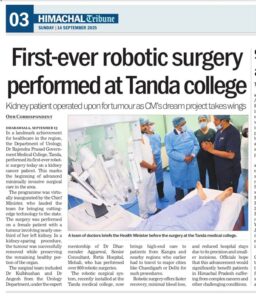
A New Milestone: First Robotic Surgery Proctored at Government Medical College, Tanda

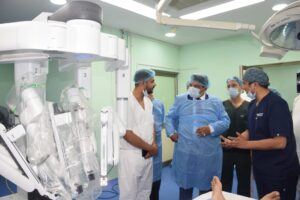
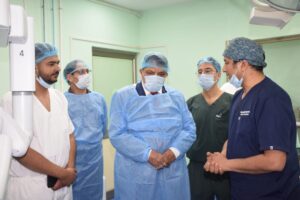
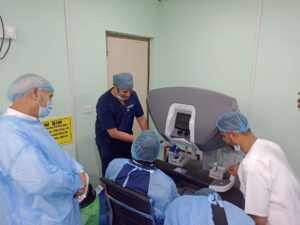
Dr Dharmender Aggarwal, Consultant Urology Cancer & Robotic Surgery at Fortis Hospital Mohali, recently achieved another landmark by performing and proctoring the first-ever robotic surgery at Dr Rajendra Prasad Government Medical College, Tanda. The event marked a significant advancement in bringing robotic surgery and cutting-edge uro-oncology care closer to patients in Himachal Pradesh.

The robotic surgery program at Tanda Medical College was formally inaugurated by the Honourable Chief Minister of Himachal Pradesh, Shri Sukhwinder Singh Sukhu. The ceremony was also attended by the Honourable Health Minister Dr. Dhani Ram Shandil, Agriculture Minister Shri Chander Kumar, Ayush Minister Shri Yadvendra Goma, and several senior dignitaries.

Expanding Access to Advanced Uro-Oncology Care

Dr Dharmender Aggarwal, who has been proctoring robotic surgery for several years, shared that initiating a robotic program and performing its first case in a prestigious government institution has been a truly humbling and fulfilling experience. This initiative will play a major role in improving access to advanced treatments for prostate cancer, kidney cancer, and urinary bladder cancer for a large segment of the population.

Robotic surgery brings significant benefits for patients seeking the:

  1. Best kidney cancer treatment
  2. Best prostate cancer treatment
  3. Best bladder cancer treatment

With enhanced precision, minimal blood loss, faster recovery, and improved cancer control, robotic technology is transforming outcomes in uro-oncology—especially for procedures involving prostate cancer, kidney cancer, and urinary bladder cancer.

A Step Toward Training & Empowering Surgeons

As a proctor and trainer in robotic surgery, Dr. Aggarwal highlighted the importance of sharing knowledge and empowering upcoming surgeons.

This collaboration is expected to strengthen the robotic program at Tanda and support the growth of minimally invasive cancer care across the region.

A Vision for Better Healthcare

Dr. Aggarwal expressed gratitude to the honourable ministers and government leadership for supporting innovation and promoting advanced surgical technology in the public healthcare system. Their efforts will help ensure that more patients have access to modern, effective treatments for prostate cancer, kidney cancer, and bladder cancer.

Continuing the Journey of Excellence

This milestone reinforces Dr Aggarwal’s commitment to advancing uro-oncology through clinical expertise, technology adoption, and surgical training. His mission remains clear:
to deliver world-class robotic urology cancer treatment and ensure better outcomes for every patient.

First Robotic Urology Cancer Surgery Performed By Dr Dharmender Aggarwal At Tanda First Robotic Urology Cancer Surgery Proctored at Government Medical College, Tanda Robotic Surgery Program Inaugurated by The Honourable Chief Minister of Himachal Pradesh, Shri Sukhwinder Singh Sukhu First Robotic Urology Cancer Surgery Proctored at Government Medical College, Tanda First Robotic Urology Cancer Surgery Proctored at Government Medical College, Tanda

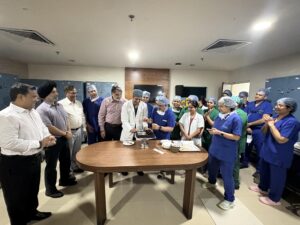
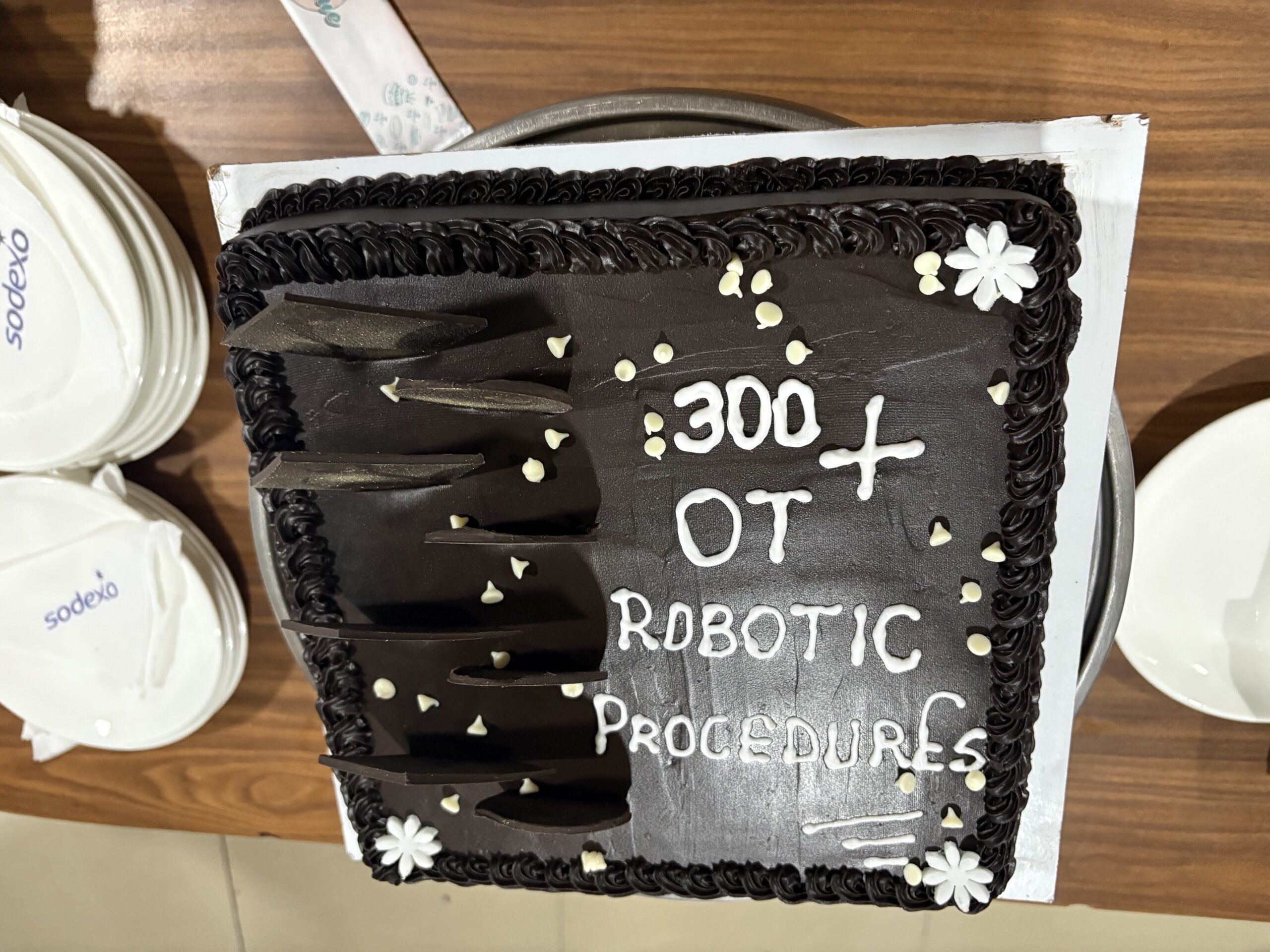
Achieving a Milestone: 300+ Robotic Urology Cancer Surgeries at Fortis Hospital Mohali

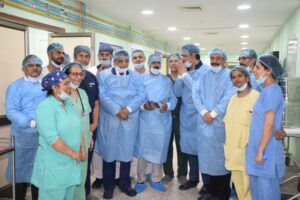
Dr Dharmender Aggarwal recently marked a major milestone in advanced cancer care with the completion of more than 300 robotic urology cancer surgeries in the last 2.5 years – the highest volume in the North region in India. Under the leadership of Dr Dharmender Aggarwal, Consultant, Urology Cancer and Robotic Surgery, this achievement reflects the hospital’s commitment to delivering world-class care for patients with prostate cancer, kidney cancer, and urinary bladder cancer.

Raising the Standards of Uro-Oncology Care

Since joining Fortis Mohali, Dr. Aggarwal has performed a wide range of complex robotic procedures, including:

  1. 100+ Robotic Radical Prostatectomies
    (for patients seeking the best prostate cancer treatment with faster recovery and superior outcomes)
  2. Robotic Partial Nephrectomies
    (a kidney-saving procedure offering the best kidney cancer treatment while preserving healthy kidney tissue)
  3. Robotic Radical Cystectomy with Ileal Conduit & Neo-Bladder Formation
    (a highly advanced surgery performed for patients requiring the best bladder cancer treatment and reconstruction options)

These surgeries highlight the precision, safety, and superior clinical outcomes associated with robotic surgery, especially in complex uro-oncology cases.

How Robotic Surgery Is Transforming Cancer Treatment

Robotic technology has significantly elevated treatment standards for prostate cancer, kidney cancer, and urinary bladder cancer by offering:

  1. Minimal blood loss
  2. Faster recovery and shorter hospital stay
  3. Reduced postoperative pain
  4. Enhanced 3D magnification and surgical precision
  5. Better preservation of organs and critical structures

This advancement is particularly valuable for patients searching for the best kidney cancer treatment, best prostate cancer treatment, and best bladder cancer treatment in the region.

A Team Effort Behind Every Success

Reflecting on the achievement, Dr. Aggarwal emphasizes the importance of teamwork:

“One thing I have learned in the last 2.5 years is that a supportive and hardworking team is the foundation of every big achievement.”

He expresses his gratitude to

  1. The anesthesia team,
  2. OT staff,
  3. support teams,
  4. OPD staff, and
  5. The management at Fortis Hospital Mohali,

for their continuous support in strengthening and streamlining the uro-oncology and robotic surgery program.

Continuing the Commitment to Excellence

With this milestone, the vision remains clear:
To provide advanced, precise, and compassionate care to every patient seeking treatment for prostate cancer, kidney cancer, and bladder cancer.

Fortis Mohali and Dr. Aggarwal’s team remain committed to carrying forward this momentum and delivering the highest standards of robotic urology cancer care.

300+ Robotic Urology Cancer Surgeries Performed By Dr Dharmender Aggarwal at Fortis Hospital, Mohali 100+ Robotic Radical Prostatectomies Performed By Dr Dharmender Aggarwal at Fortis Hospital, Mohali Robotic Partial Nephrectomies Performed By Dr Dharmender Aggarwal

Robotic Adrenal Gland Surgery: Safety, Success, and the Future of Minimally Invasive Adrenal Cancer Care

Advancements in minimally invasive surgery have redefined how adrenal gland tumors are treated. Among the most revolutionary techniques is robotic adrenalectomy, a procedure that combines precision with safety—making it an ideal choice for patients diagnosed with adrenal cancer or benign adrenal tumors.

Dr Dharmender Aggarwal, a leading uro-oncologist and widely regarded as the best urology cancer specialist in India, specializes in delivering high-precision outcomes through robotic surgery for adrenal gland tumors. His approach not only ensures safer tumor removal but also offers quicker recovery and significantly fewer complications.

Why Robotic Surgery is Setting New Standards in Adrenal Gland Tumor Treatment

Minimized Blood Loss

Robotic technology utilizes advanced micro-instruments that allow precise dissection with minimal disturbance to nearby tissues. This dramatically reduces blood loss during surgery, decreasing the need for transfusions and promoting a cleaner operative field.

Swift Recovery After Surgery

Patients undergoing treatment for adrenal gland tumor via robotics typically begin walking within hours and resume eating the next day. Compared to traditional open surgeries, which may require weeks of downtime, robotic adrenalectomy patients often return to normal life in under two weeks.

Shorter Hospitalization

Thanks to the gentle, minimally invasive approach, hospital stays are reduced to just 2–4 days. Patients experience fewer complications, less pain, and faster wound healing, making this a preferred option across India.

Is Robotic Adrenal Surgery Safe? Yes—and Here’s Why

The safety profile of robotic adrenalectomy has consistently outperformed conventional techniques. Under the care of Dr Dharmender Aggarwal, patients benefit from:

  • Extremely low infection rates
  • Minimal risk of bleeding or hematoma
  • Reduced chances of postoperative hypotension
  • Rare need to convert to open surgery

Robotic adrenal surgery is also ideal for high-risk patients, including those with obesity or a history of prior abdominal surgeries. The enhanced dexterity and control offered by robotic instruments provide a new level of surgical safety for these complex cases.

Success Rates: What the Data and Patient Outcomes Say

Complete Tumor Removal with Precision

Robotic surgery allows for clean excision of both functioning and non-functioning adrenal tumors. This precision is crucial in managing hormonally active conditions like pheochromocytomas, Conn’s syndrome, or adrenal cancer.

Equal or Superior to Open Surgery

Clinical studies show that robotic adrenalectomy offers equal—and in some cases, superior—oncological results when compared to open surgery. These include lower recurrence rates, better long-term survival, and excellent tumor clearance.

High Patient Satisfaction Scores

Minimal scarring, less pain, and the ability to return to daily activities quickly make robotic adrenal surgery one of the most highly rated procedures in terms of patient satisfaction—especially under the care of a top expert like Dr Aggarwal.

Conditions Treated with Robotic Adrenalectomy

If you’re facing any of the following adrenal gland conditions, robotic surgery might be your best treatment route:

  • Adrenal adenomas
  • Functional tumors (Cushing’s syndrome, pheochromocytomas, Conn’s syndrome)
  • Metastases to the adrenal gland (Solitary)
  • Early-stage adrenal cancer
  • Non-functional tumors identified incidentally

Why Choose Dr Dharmender Aggarwal for Robotic Adrenal Surgery in India?

As a skilled robotic urology surgeon, Dr Dharmender Aggarwal is known for his precision-driven, patient-focused care. His extensive expertise in treatment for adrenal gland tumor includes both benign and malignant conditions managed through advanced robotic techniques.

What sets Dr Aggarwal apart:

  • Individualized treatment plans
  • High surgical success rates
  • State-of-the-art technology
     
  • Compassionate postoperative care 

With his deep clinical knowledge and robotic expertise, Dr Aggarwal offers one of the safest, most effective adrenal gland treatment options in India today.

Reclaim Your Health with Robotic Precision

If you’ve been diagnosed with an adrenal mass or adrenal cancer, you deserve a treatment approach that maximizes safety and recovery. Dr Dharmender Aggarwal, the best urology cancer specialist in India, provides expert care that prioritizes both oncological success and quality of life.

👉 Book your consultation today with Dr Dharmender Aggarwal to explore robotic adrenal gland surgery and take control of your health with confidence. 

Adrenal Tumor vs Kidney Tumor: Know the Difference, Know the Right Doctor

In the intricate layout of the human body, the adrenal glands and kidneys sit side by side, quietly performing life-sustaining functions. But when something goes wrong—like a growth or mass in this area—pinpointing the exact origin is crucial.

Are you facing an adrenal gland tumor or a kidney tumor?

It’s not just a matter of medical semantics—it’s the key to effective diagnosis, treatment, and recovery. Here, Dr. Dharmender Aggarwal, one of India’s leading urology cancer specialists, breaks down the critical differences and what they mean for your care.

Anatomy Basics: Kidney and Adrenal Glands—Same Neighborhood, Different Jobs

  • Kidneys: Bean-shaped organs responsible for filtering blood and producing urine
  • Adrenal Glands: Small, triangular glands located above each kidney that produce hormones like cortisol, adrenaline, and aldosterone

Though they’re physically close, their roles—and the cancers that affect them—are entirely different.

Tumor Origin: Where It Starts Matters

  • Adrenal Tumor: Originates in the adrenal cortex or medulla
  • Kidney Tumor: Develops within the renal parenchyma, most commonly as renal cell carcinoma

Dr. Aggarwal notes: “Determining the tumor’s point of origin is the first—and most vital—step in shaping your treatment plan.”

Symptoms: Overlap vs. Distinction

While both may present abdominal discomfort or mass effects, the symptoms often diverge:

Adrenal Tumor Symptoms:

  • Hormonal imbalance (weight gain, hypertension, mood swings)
  • Virilization in women (facial hair, deep voice)
  • Muscle weakness
  • Fatigue

Kidney Tumor Symptoms:

  • Blood in urine (hematuria)
  • Persistent side or back pain
  • Unexplained fever or night sweats
  • Palpable abdominal lump

Early-stage adrenal and kidney tumors may show no symptoms at all—highlighting the importance of imaging.

Diagnosis: Imaging and Hormone Testing

  • Adrenal Tumors often require CT/MRI + hormonal panel tests to assess cortisol, aldosterone, and androgen levels
  • Kidney Tumors are best evaluated via contrast-enhanced CT scans or MRIs, and occasionally biopsy

A dual-function diagnostic strategy is crucial. Dr. Aggarwal leverages advanced imaging and lab protocols to ensure precise identification.

Treatment Approach: Different Paths, Same Precision

For Adrenal Tumors:

  • Surgical Removal (Adrenalectomy) is standard for functional tumors or suspected malignancies
  • Hormone therapy or mitotane in advanced or metastatic adrenal cancer
  • Post-op hormone management essential for life quality

For Kidney Tumors:

  • Partial or radical nephrectomy depending on tumor size and location
  • Targeted therapy or immunotherapy for advanced cases
  • Active surveillance may be suitable for small, slow-growing tumors in old age patients

Dr. Dharmender Aggarwal is one of the few uro oncologists in India skilled in managing both adrenal and renal malignancies with tailored strategies.

Prognosis: Survival Depends on Staging and Speed

  • Adrenal cancers, though rare, can be aggressive. Early detection significantly improves outcomes.
  • Kidney cancers, particularly when found early, have a favorable prognosis post-surgery.

In both cases, success is closely tied to early and accurate intervention—something Dr. Aggarwal strongly emphasizes.

Key Takeaway: The Right Diagnosis Leads to the Right Doctor

Misdiagnosis between adrenal and kidney tumors isn’t just possible—it’s common. But with the guidance of a specialist like Dr. Dharmender Aggarwal, you can navigate this complex territory with confidence.

Unsure Which Tumor You’re Facing? Don’t Guess—Get Expert Clarity.

Whether it’s a suspected adrenal tumor or a kidney mass, don’t let confusion delay your care. Dr. Dharmender Aggarwal, India’s leading urology cancer specialist, offers clear diagnosis and advanced treatment options for both conditions.

Book your expert consultation today
Because where the tumor starts determines where your healing begins.

Adrenal Cancer: Silent Storm, Scientific Solutions & Specialist Support

When it comes to cancers of the urinary and endocrine systems, few are as elusive and complex as adrenal cancer. Nestled quietly atop the kidneys, the adrenal glands perform vital tasks—regulating hormones, metabolism, blood pressure, and stress responses.

But when these glands turn rogue, their effects ripple far beyond their size.

Adrenal cancer may be rare, but its influence on the body is profound. And treating it isn’t just about removing a tumor—it’s about restoring balance to your entire system. That’s where Dr. Dharmender Aggarwal, one of India’s most trusted urology cancer specialists, steps in with unmatched expertise in treatment for adrenal gland tumor.

When Hormones Signal a Warning

The body often speaks before it breaks—if we know how to listen.

Unlike other cancers that grow silently, adrenal cancer often disrupts hormone production early on. It may mimic other conditions or manifest as:

  • Rapid weight gain or loss
  • Unexplained fatigue
  • Severe hypertension
  • Irregular menstrual cycles in women
  • Facial hair growth or deepening voice
  • Muscle weakness
  • Anxiety, depression, or mood swings

These symptoms can feel unrelated, even misleading. But to an experienced eye, they are crucial clues that the adrenal glands may be compromised.

The Invisible Enemy: Why Adrenal Cancer Is Hard to Catch

Because the adrenal glands are tucked deep within the abdomen, tumors here are rarely felt physically. Often, they’re found incidentally during scans for other conditions. That’s why proactive evaluation, especially when symptoms align, is critical.

And once suspected, accuracy becomes non-negotiable. Dr. Dharmender Aggarwal uses a sophisticated mix of hormone tests, CT scans, MRIs, and nuclear imaging to detect and stage adrenal cancer early—when treatment has the best chance of success.

Not All Tumors Are Cancerous—But All Deserve Expert Review

Adrenal tumors are of two types:

  • Benign (Adenomas): Non-cancerous and may be left alone or monitored
  • Malignant (Adrenocortical Carcinoma): Aggressive, fast-growing, and requiring timely intervention

Even benign tumors can disrupt hormone function, and only a comprehensive diagnostic approach can determine the right path forward. That’s where treatment for adrenal gland tumor goes beyond surgery—it’s about personalized strategy.

A Modern Approach to Treatment for Adrenal Gland Tumor

Surgery First, Always Strategic

Surgical removal, known as adrenalectomy, remains the primary line of defense. Dr. Aggarwal performs both traditional and laparoscopic surgeries, depending on tumor size, location, and patient needs.

His surgical goals are simple: remove the tumor completely, preserve as much healthy tissue as possible, and support rapid recovery.

Medical Management & Hormonal Control

For tumors that can’t be fully removed, or when cancer has spread, adjuvant therapies come into play:

  • Mitotane, a unique adrenal-targeting medication
  • Hormone replacement therapy, especially after gland removal
  • Radiation therapy in select cases
  • Chemotherapy or targeted therapy for advanced cancers

Each treatment plan is tailored, and patients are monitored continuously for hormonal stability and recurrence.

The Power of a Specialist: Why Choose a Uro Oncologist?

Dr. Dharmender Aggarwal is not just an expert in cancer care—he’s a pioneer in precision uro oncology. His integrated approach considers both the oncological and endocrine aspects of adrenal tumors.

Patients under his care benefit from:

  • Accurate, early diagnosis
  • Organ-preserving techniques
  • State-of-the-art treatment for hormone-secreting tumors
  • Emotional and nutritional support during recovery
  • Long-term follow-ups to ensure complete well-being

Beyond the Tumor: Healing the Whole Patient

Healing from adrenal cancer isn’t just about removing the mass—it’s about restoring harmony within the body. Patients often describe their post-treatment journey as rediscovering balance—physical, emotional, and psychological.

Dr. Aggarwal ensures that every patient receives not just medical care, but a roadmap to long-term wellness, encompassing everything from hormonal regulation to lifestyle support.

Take Charge of Your Hormonal Health with Expert Care

If you’re facing unexplained symptoms, or have been diagnosed with an adrenal mass, it’s time to get answers—and action. Dr. Dharmender Aggarwal, one of the most experienced specialists in treatment for adrenal gland tumor, is here to guide your journey with clarity and confidence.

Book your consultation with Dr. Dharmender Aggarwal today.

Your recovery begins with the right expert. Let’s talk.

Adrenal Cancer: When Hormones Go Rogue and How Precision Treatment Saves Lives

Adrenal cancer isn’t a household term—but for the patients it affects, it’s a life-altering diagnosis. Found in the small glands perched above your kidneys, adrenal gland tumors can quietly disrupt your body’s delicate hormonal balance before you even realize something’s wrong.

And that’s what makes this rare condition so powerful—and dangerous.

But there’s good news: With the right specialist, modern diagnostic tools, and a tailored approach to treatment for adrenal gland tumor, patients can reclaim control, health, and hope.

At the forefront of such personalized care in India stands Dr. Dharmender Aggarwal, a highly experienced urology cancer expert with a reputation for treating complex urological cancers with clarity and compassion.

What Makes Adrenal Cancer Unique?

Unlike many other cancers, adrenal cancer often presents with symptoms linked not to the tumor’s size—but to the hormones it releases. These tumors may lead to:

  • High blood pressure that doesn’t respond to medication
  • Sudden weight gain or loss
  • Excessive facial or body hair (especially in women)
  • Muscle weakness
  • Severe fatigue
  • Mood swings, anxiety, or depression

These signs are often mistaken for other medical conditions, delaying diagnosis. That’s why hormone testing is a crucial part of identifying adrenal gland tumors early.

Functional vs. Non-Functional Tumors: Know the Difference

Functional tumors produce excess hormones, often resulting in early detection due to noticeable symptoms.
Non-functional tumors, on the other hand, do not secrete hormones and are often discovered accidentally during imaging for unrelated issues.

Both types require expert evaluation to determine the best course of action—and that’s where Dr. Aggarwal’s diagnostic precision makes all the difference.

Is Every Adrenal Tumor Cancerous? Not Always. But Every Case Deserves Attention.

Not all adrenal tumors are malignant. Some are benign (non-cancerous) and may not need immediate surgery. However, distinguishing between benign and malignant requires:

  • High-resolution CT or MRI scans
  • Hormone panel blood tests
  • PET scans or nuclear imaging
  • Sometimes, a biopsy or surgical removal for conclusive analysis

Only a highly trained urology cancer expert like Dr. Dharmender Aggarwal can accurately interpret these results and craft a treatment plan suited to your unique case.

What Is the Best Treatment for Adrenal Gland Tumor?

Treatment for adrenal gland tumor depends on several factors: the size, hormone activity, spread (if any), and the patient’s overall health.

Treatment options may include:

Surgical Removal (Adrenalectomy)

This is the gold standard for most adrenal cancers or large tumors. Dr. Aggarwal performs both open and minimally invasive laparoscopic adrenalectomies with a focus on complete tumor removal and fast recovery.

Hormonal Therapy

Post-surgery, hormone replacement or suppression may be needed, depending on the tumor type.

Targeted Therapies and Chemotherapy

For metastatic or advanced-stage adrenal cancer, newer treatments like mitotane (an adrenal-specific drug) or targeted chemotherapy may be used.

Radiation Therapy

Sometimes used as a supportive treatment, especially if the tumor can’t be fully removed.

Why Choose Dr. Dharmender Aggarwal for Adrenal Tumor Treatment?

What sets Dr. Dharmender Aggarwal apart isn’t just his surgical skill—it’s his holistic approach to patient care. He understands that adrenal cancer is not just a physical burden but also an emotional and hormonal one.

He provides:

  • Accurate, early diagnosis using advanced imaging and hormone tests
  • Personalized treatment planning with minimal side effects
  • Post-treatment care including hormone management and long-term monitoring
  • Emotional and psychological support for patients and families

Navigating the Unknown: Life After Adrenal Cancer

Recovery doesn’t stop at surgery. Managing hormonal balance, preventing recurrence, and rebuilding life with confidence are key parts of the journey.

Dr. Aggarwal’s patients benefit from integrated care—where endocrinology meets oncology under one roof—ensuring seamless recovery and full-circle support.

Don’t Let Rare Mean Unprepared—Get Expert Care Now

If you’ve been diagnosed with or suspect a tumor in the adrenal gland, don’t delay. Book a consultation with Dr. Dharmender Aggarwal, a trusted expert in treatment for adrenal gland tumor and comprehensive adrenal cancer care.

Because rare cancers need rare expertise—and you deserve the best.