Bladder cancer is a serious urological cancer, but timely diagnosis and appropriate treatment can make an important difference. One of the most important warning signs – blood in the urine – should never be ignored, even when it occurs only once or without pain.
To improve public understanding of bladder cancer, Dr. Dharmender Aggarwal, Senior Consultant – Uro-Oncology & Robotic Surgery at Fortis Hospital, Mohali, has contributed a Punjabi patient-awareness article to Mehram Magazine explaining the diagnosis, investigations and treatment of urinary bladder cancers.
Published in Punjabi, the feature helps make important cancer information accessible to readers and families across Chandigarh, Mohali, Punjab and North India.

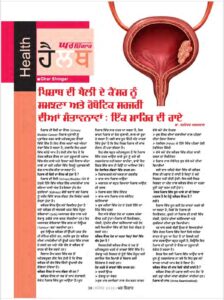
Image caption: Dr. Dharmender Aggarwal’s Punjabi awareness article on urinary bladder cancer published in Mehram Magazine.
What Is Bladder Cancer?
Bladder cancer develops when abnormal cells in the urinary bladder grow uncontrollably. The bladder is the organ that stores urine before it leaves the body.
Most bladder cancers begin in the cells lining the inside of the bladder. An important distinction after diagnosis is whether the cancer is non-muscle-invasive or muscle-invasive, because this can substantially influence treatment.
This is why bladder cancer treatment should begin with accurate diagnosis and staging rather than adopting the same treatment approach for every patient.
What Are the Warning Signs of Bladder Cancer?
The most recognized symptom of bladder cancer is blood in the urine, medically called haematuria.
The urine may appear pink, red or brown, although sometimes blood is present only in amounts detected through testing.
Other possible symptoms include:
- Frequent urination
- Burning or discomfort while passing urine
- Sudden urgency to urinate
- Difficulty passing urine
- Pelvic or lower abdominal discomfort
These symptoms can also occur with non-cancerous conditions such as urinary infections or stones. However, unexplained or recurrent blood in the urine requires proper medical evaluation.
How Is Bladder Cancer Diagnosed?
Patients with suspected bladder cancer generally require a combination of clinical assessment, imaging and direct examination of the bladder.
Depending on the individual case, investigations may include:
Urine Tests
Urine examination can identify blood or other abnormalities. Additional urine-based testing may be recommended in selected cases.
Ultrasound, CT Scan or Other Imaging
Imaging helps doctors evaluate the urinary system and look for abnormalities involving the bladder, kidneys or ureters.
Cystoscopy
Cystoscopy allows the urologist to examine the inside of the bladder using a thin instrument equipped with a camera.
TURBT and Histopathology
If a suspicious bladder tumor is identified, Transurethral Resection of Bladder Tumor (TURBT) may be performed. Tumor tissue is removed and examined by a pathologist.
The pathology report provides crucial information about the type and grade of the cancer and whether it has invaded the bladder muscle.
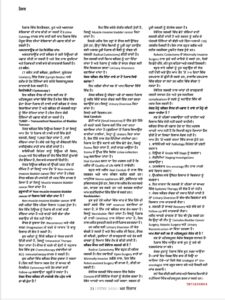
Image caption: Punjabi bladder cancer education feature explaining diagnosis, investigations and treatment.
Non-Muscle-Invasive vs Muscle-Invasive Bladder Cancer
This distinction is central to understanding bladder cancer treatment.
Non-Muscle-Invasive Bladder Cancer
In non-muscle-invasive bladder cancer, the tumor has not invaded the muscular wall of the bladder.
Treatment can involve TURBT followed, when indicated, by medicines placed directly into the bladder and a structured cystoscopy surveillance program.
Because some bladder cancers can return, regular follow-up is particularly important.
Muscle-Invasive Bladder Cancer
When cancer has grown into the bladder muscle, treatment is more complex.
Depending on the patient’s cancer stage, overall health and other factors, treatment can involve systemic therapy, surgery to remove the bladder, radiotherapy or a combination of approaches.
These cases benefit from multidisciplinary cancer planning.
What Is Radical Cystectomy?
Radical cystectomy is an operation used for selected patients with muscle-invasive or certain high-risk bladder cancers.
In men, surgery generally involves removal of the bladder and nearby structures as clinically appropriate. In women, the extent of surgery depends on the location and characteristics of the cancer and individual clinical considerations.
After the bladder is removed, a new method of urinary drainage must be created. Options may include an ileal conduit or, in appropriately selected patients, a neobladder or other continent urinary diversion.
The appropriate approach should be individualized after detailed evaluation and discussion with the patient.
Can Bladder Cancer Surgery Be Performed Robotically?
Yes. Robotic radical cystectomy can be considered for appropriately selected patients requiring bladder removal for cancer.
Using a robotic surgical platform such as the Da Vinci Xi, the surgeon performs the operation through small incisions while controlling the robotic instruments from a surgical console.
Importantly, the robot does not perform the operation independently. Every surgical movement is controlled by the surgeon.
Potential advantages of a minimally invasive robotic approach can include:
- Smaller incisions
- Reduced blood loss
- Less postoperative discomfort
- Enhanced visualization during surgery
- Precise dissection
- Earlier postoperative recovery in selected patients
Whether robotic bladder cancer surgery is suitable depends on cancer stage, previous treatments, anatomy, general health and several other clinical factors.
Why Specialist Uro-Oncology Experience Matters
Bladder cancer is not a single disease requiring one standard operation.
Treatment decisions may involve TURBT, intravesical therapy, systemic treatment, radical cystectomy, urinary reconstruction and long-term cancer surveillance.
For this reason, patients diagnosed with bladder cancer may benefit from evaluation by a urology cancer specialist or uro-oncologist who regularly manages urological malignancies.
When looking for a bladder cancer surgeon in Chandigarh, Mohali, Punjab or North India, useful factors to consider include:
- Dedicated uro-oncology training
- Experience treating bladder cancer
- Experience with radical cystectomy
- Robotic surgery expertise
- Experience with urinary diversion and reconstruction
- Multidisciplinary cancer support
- Structured postoperative and cancer surveillance
Dr. Dharmender Aggarwal – Uro-Oncology & Robotic Surgery
Dr. Dharmender Aggarwal is Senior Consultant – Uro-Oncology & Robotic Surgery at Fortis Hospital, Mohali and provides specialized care for patients with bladder, kidney, prostate and other urological cancers.
He completed his MCh in Urology from PGIMER Chandigarh and a Fellowship in Robotic Surgery & Uro-Oncology from the Royal College of Surgeons of England at St. George’s NHS Hospital, London.
He is also a certified robotic surgeon through the European Robotic Urology Section (ERUS), Belgium, and ORSI Academy.
Dr. Aggarwal has performed more than 950 robotic cancer surgeries involving kidney, prostate and bladder cancers and is involved in robotic surgery teaching and proctorship.
His practice has a dedicated focus on uro-oncology and robotic cancer surgery, serving patients from Chandigarh, Mohali, Punjab and across North India.
Bladder Cancer Treatment in Chandigarh & Mohali
Patients searching for bladder cancer treatment in Chandigarh can access specialized uro-oncology and robotic surgical care in neighboring Mohali.
For someone newly diagnosed with bladder cancer, the first priority is determining the exact type, grade and stage of disease.
Treatment may range from endoscopic removal of an early bladder tumor to multimodal cancer treatment and radical cystectomy for more advanced disease.
The treatment plan should therefore be personalized rather than based simply on the presence of a bladder tumor.
Robotic Bladder Cancer Surgery in Chandigarh, Mohali & Punjab
Patients researching robotic bladder cancer surgery in Chandigarh, robotic bladder cancer surgery in Mohali, or elsewhere in Punjab should understand that technology is only one component of treatment.
The experience of the uro-oncology team, correct cancer staging, appropriate patient selection and expertise in urinary reconstruction are also important considerations.
For patients who need radical cystectomy, a consultation can help determine whether an open or robotic approach is most appropriate.
Bladder Cancer Treatment for Patients Across North India
Patients from Punjab, Haryana, Himachal Pradesh, Jammu & Kashmir and other parts of North India may travel to the Chandigarh–Mohali region for specialized uro-oncology care.
For patients seeking a bladder cancer surgeon in North India or exploring robotic bladder cancer surgery in North India, obtaining a specialist opinion can help clarify:
- The stage and grade of the cancer
- Whether the bladder can be preserved
- Whether radical cystectomy is required
- Whether chemotherapy or other systemic treatment is indicated
- Whether robotic surgery is appropriate
- Which urinary diversion option may be suitable
- What follow-up will be required after treatment
Mehram Magazine: Taking Bladder Cancer Awareness to Punjabi Readers
The Punjabi bladder cancer awareness article in Mehram Magazine reflects an important aspect of cancer care: patients need understandable information in the languages they use in everyday life.
By discussing bladder cancer diagnosis, investigations and treatment in Punjabi, Dr. Dharmender Aggarwal aims to help more people recognize warning signs and understand why timely evaluation matters.
Frequently Asked Questions About Bladder Cancer
- What is the most common warning sign of bladder cancer?
Visible blood in the urine is an important warning sign. Blood may appear intermittently and may not cause pain. It should still be evaluated by a medical professional. - How is bladder cancer confirmed?
Evaluation commonly involves cystoscopy and, when a tumor is found, TURBT to obtain tissue for histopathological examination. Imaging and additional investigations may be required for staging. - Can early bladder cancer be treated without removing the bladder?
Yes. Many non-muscle-invasive bladder cancers can initially be treated through TURBT, sometimes followed by treatment placed inside the bladder and regular surveillance. Treatment depends on the tumor’s risk characteristics. - When does bladder cancer require bladder removal?
Radical cystectomy may be recommended for muscle-invasive bladder cancer and certain high-risk non-muscle-invasive cancers. The decision depends on individual cancer and patient factors. - Can bladder cancer surgery be done robotically in Mohali?
Robotic radical cystectomy can be performed in appropriately selected patients. Dr. Dharmender Aggarwal provides robotic uro-oncology care at Fortis Hospital Mohali. - How should I choose the best bladder cancer doctor in Chandigarh or Mohali?
Instead of relying solely on a “best doctor” claim, consider dedicated uro-oncology training, experience in treating bladder cancer, high-volume centres performing these treatment on regular basis, expertise in radical cystectomy and urinary reconstruction, robotic surgery experience and access to multidisciplinary cancer care. - Who should I consult for bladder cancer treatment in Punjab?
A patient diagnosed with bladder cancer can consult a uro-oncology specialist experienced in bladder cancer diagnosis, staging, surgery and long-term surveillance. - Is robotic bladder cancer surgery available for patients from North India?
Yes. Patients from across North India can be evaluated for robotic bladder cancer surgery at specialist centers. Whether robotic surgery is appropriate must be determined individually based on cancer stage, previous treatment and overall health.
Takeaway
Bladder cancer treatment has evolved significantly, but early diagnosis, accurate staging and appropriate specialist care remain fundamental.
Blood in the urine should not be ignored. If bladder cancer is diagnosed, understanding whether it is non-muscle-invasive or muscle-invasive is crucial because the treatment pathways are very different.