Your Most Trusted Urologist

When you stay focused, the universe conspires to give you everything

We are glad to share that our efforts in advancing new techniques in robotic surgery and providing focused, dedicated urological cancer care in Punjab have culminated in several recognitions, most recently at the Health Conclave 2026 held by Zee Media in the Tricity.

Our team was honored with the “Best Robotic Urology Surgery in the Region” award by the Hon’ble Health Minister of Punjab, Dr. Balbir Singh.

We also participated in a panel discussion with Zee Media on robotic surgery and its role in urological cancers, especially kidney cancers, primarily to spread awareness about this advanced technology and its benefits for our patients.

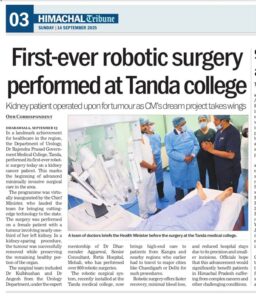
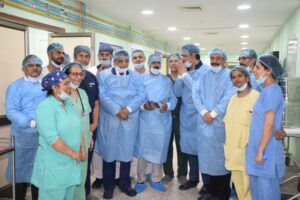
A New Milestone: First Robotic Surgery Proctored at Government Medical College, Tanda

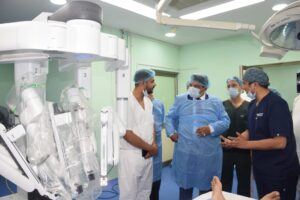
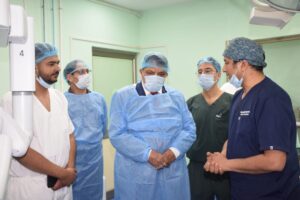
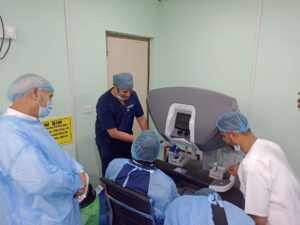
Dr Dharmender Aggarwal, Consultant Urology Cancer & Robotic Surgery at Fortis Hospital Mohali, recently achieved another landmark by performing and proctoring the first-ever robotic surgery at Dr Rajendra Prasad Government Medical College, Tanda. The event marked a significant advancement in bringing robotic surgery and cutting-edge uro-oncology care closer to patients in Himachal Pradesh.

The robotic surgery program at Tanda Medical College was formally inaugurated by the Honourable Chief Minister of Himachal Pradesh, Shri Sukhwinder Singh Sukhu. The ceremony was also attended by the Honourable Health Minister Dr. Dhani Ram Shandil, Agriculture Minister Shri Chander Kumar, Ayush Minister Shri Yadvendra Goma, and several senior dignitaries.

Expanding Access to Advanced Uro-Oncology Care

Dr Dharmender Aggarwal, who has been proctoring robotic surgery for several years, shared that initiating a robotic program and performing its first case in a prestigious government institution has been a truly humbling and fulfilling experience. This initiative will play a major role in improving access to advanced treatments for prostate cancer, kidney cancer, and urinary bladder cancer for a large segment of the population.

Robotic surgery brings significant benefits for patients seeking the:

  1. Best kidney cancer treatment
  2. Best prostate cancer treatment
  3. Best bladder cancer treatment

With enhanced precision, minimal blood loss, faster recovery, and improved cancer control, robotic technology is transforming outcomes in uro-oncology—especially for procedures involving prostate cancer, kidney cancer, and urinary bladder cancer.

A Step Toward Training & Empowering Surgeons

As a proctor and trainer in robotic surgery, Dr. Aggarwal highlighted the importance of sharing knowledge and empowering upcoming surgeons.

This collaboration is expected to strengthen the robotic program at Tanda and support the growth of minimally invasive cancer care across the region.

A Vision for Better Healthcare

Dr. Aggarwal expressed gratitude to the honourable ministers and government leadership for supporting innovation and promoting advanced surgical technology in the public healthcare system. Their efforts will help ensure that more patients have access to modern, effective treatments for prostate cancer, kidney cancer, and bladder cancer.

Continuing the Journey of Excellence

This milestone reinforces Dr Aggarwal’s commitment to advancing uro-oncology through clinical expertise, technology adoption, and surgical training. His mission remains clear:
to deliver world-class robotic urology cancer treatment and ensure better outcomes for every patient.

First Robotic Urology Cancer Surgery Performed By Dr Dharmender Aggarwal At Tanda First Robotic Urology Cancer Surgery Proctored at Government Medical College, Tanda Robotic Surgery Program Inaugurated by The Honourable Chief Minister of Himachal Pradesh, Shri Sukhwinder Singh Sukhu First Robotic Urology Cancer Surgery Proctored at Government Medical College, Tanda First Robotic Urology Cancer Surgery Proctored at Government Medical College, Tanda

Achieving a Milestone: 300+ Robotic Urology Cancer Surgeries at Fortis Hospital Mohali

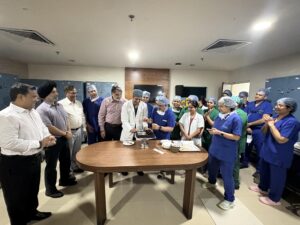
Dr Dharmender Aggarwal recently marked a major milestone in advanced cancer care with the completion of more than 300 robotic urology cancer surgeries in the last 2.5 years – the highest volume in the North region in India. Under the leadership of Dr Dharmender Aggarwal, Consultant, Urology Cancer and Robotic Surgery, this achievement reflects the hospital’s commitment to delivering world-class care for patients with prostate cancer, kidney cancer, and urinary bladder cancer.

Raising the Standards of Uro-Oncology Care

Since joining Fortis Mohali, Dr. Aggarwal has performed a wide range of complex robotic procedures, including:

  1. 100+ Robotic Radical Prostatectomies
    (for patients seeking the best prostate cancer treatment with faster recovery and superior outcomes)
  2. Robotic Partial Nephrectomies
    (a kidney-saving procedure offering the best kidney cancer treatment while preserving healthy kidney tissue)
  3. Robotic Radical Cystectomy with Ileal Conduit & Neo-Bladder Formation
    (a highly advanced surgery performed for patients requiring the best bladder cancer treatment and reconstruction options)

These surgeries highlight the precision, safety, and superior clinical outcomes associated with robotic surgery, especially in complex uro-oncology cases.

How Robotic Surgery Is Transforming Cancer Treatment

Robotic technology has significantly elevated treatment standards for prostate cancer, kidney cancer, and urinary bladder cancer by offering:

  1. Minimal blood loss
  2. Faster recovery and shorter hospital stay
  3. Reduced postoperative pain
  4. Enhanced 3D magnification and surgical precision
  5. Better preservation of organs and critical structures

This advancement is particularly valuable for patients searching for the best kidney cancer treatment, best prostate cancer treatment, and best bladder cancer treatment in the region.

A Team Effort Behind Every Success

Reflecting on the achievement, Dr. Aggarwal emphasizes the importance of teamwork:

“One thing I have learned in the last 2.5 years is that a supportive and hardworking team is the foundation of every big achievement.”

He expresses his gratitude to

  1. The anesthesia team,
  2. OT staff,
  3. support teams,
  4. OPD staff, and
  5. The management at Fortis Hospital Mohali,

for their continuous support in strengthening and streamlining the uro-oncology and robotic surgery program.

Continuing the Commitment to Excellence

With this milestone, the vision remains clear:
To provide advanced, precise, and compassionate care to every patient seeking treatment for prostate cancer, kidney cancer, and bladder cancer.

Fortis Mohali and Dr. Aggarwal’s team remain committed to carrying forward this momentum and delivering the highest standards of robotic urology cancer care.

300+ Robotic Urology Cancer Surgeries Performed By Dr Dharmender Aggarwal at Fortis Hospital, Mohali 100+ Robotic Radical Prostatectomies Performed By Dr Dharmender Aggarwal at Fortis Hospital, Mohali Robotic Partial Nephrectomies Performed By Dr Dharmender Aggarwal

Why Robotic Surgery Outperforms Laparoscopic and Open Surgery: Insights from Dr Dharmender Aggarwal

Over the years, surgical techniques have undergone significant evolution—from traditional open surgeries to laparoscopic methods, and now to highly advanced robotic-assisted procedures. Among these, robotic surgery has rapidly emerged as the gold standard in complex urological surgeries such as those involving the prostate, kidneys, adrenal glands, and bladder.

Dr Dharmender Aggarwal, a renowned robotic urology surgeon and widely recognized as the best urology cancer expert in India, has been at the forefront of this surgical revolution. With extensive experience and training in robotic systems, he delivers the best robotic surgery outcomes with precision, minimal invasiveness, and superior recovery times.

Why Robotic Surgery Stands Apart

The da Vinci Surgical System, developed by Intuitive in 1995, has been a game-changer in minimally invasive surgery. Today, it is a cornerstone of urological oncology, offering unmatched precision and surgeon control.

Let’s dive into why patients and experts alike increasingly prefer robotic surgery over laparoscopic or open methods.

1. Enhanced 3D Magnified Vision

Robotic platforms like da Vinci provide the surgeon with a 3D high-definition, magnified view of the surgical area—10 times more detailed than what the human eye can see. This clarity is crucial in delicate procedures involving nerve preservation and tumor excision.

Dr Dharmender Aggarwal leverages this visual advantage to ensure every movement is calculated, safe, and focused on optimal outcomes.

2. Unparalleled Precision and Dexterity

With wristed instruments that mimic human hand motion—but with greater flexibility—the robotic arms allow for precise, tremor-free movements in narrow and hard-to-reach areas. This level of control is simply not achievable with human hands or conventional laparoscopic tools.

This precision is especially valuable in oncological surgeries, where complete tumor removal and margin clearance are vital. It’s one of the many reasons Dr Aggarwal is known for performing the best robotic surgery in urology today.

3. Minimal Incisions, Maximum Recovery

Unlike open surgery, which requires large incisions, robotic surgery is performed through 4-5 tiny punctures—each about 8mm wide. This approach results in:

  • Negligible scarring
  • Less postoperative pain
  • Fewer wound-related complications

For patients, it means a smoother and faster path to recovery with minimal cosmetic impact.

4. Less Blood Loss and Fewer Complications

One of the standout benefits of robotic-assisted techniques is significantly reduced intraoperative blood loss. The precision of the robotic arms and smaller incisions lower the risk of infection and help maintain surgical sterility.

As the best robotic surgeon, Dr Dharmender Aggarwal ensures that every procedure is performed with meticulous attention to detail, enhancing both safety and patient satisfaction.

5. Shorter Hospital Stay and Quicker Return to Normalcy

Patients undergoing robotic procedures typically spend just 2-3 days in the hospital. Recovery timelines are also drastically shorter—with most patients resuming normal activities within 2-3 weeks, compared to several weeks or months after open surgery.

Dr Aggarwal tailors post-operative care to each patient’s condition, promoting a rapid return to routine without compromising surgical outcomes.

Why Patients Trust Dr Dharmender Aggarwal

As one of India’s most trusted names in robotic urology, Dr Dharmender Aggarwal combines global training with compassionate, evidence-based care. His leadership in performing complex robotic surgeries has earned him a reputation as the best urology cancer expert in India, particularly in treating prostate, bladder, kidney, and adrenal cancers.

Take the Next Step Toward Advanced Surgical Care

If you’re considering surgery for a urological condition or cancer, robotic-assisted techniques offer a safer, faster, and more effective path to recovery. Dr Dharmender Aggarwal, the best robotic surgeon, is here to guide you through every step with skill and confidence.

👉 Book your consultation today with Dr Dharmender Aggarwal to explore your options for robotic urological surgery.

What Is Robotic Surgery & Why It Matters in Urology

Robotic surgery, also known as robotic urology surgery, is a cutting-edge, minimally invasive technique that allows a robotic urology surgeon like Dr Dharmender Aggarwal — one of the best urology cancer experts in India — to perform complex procedures through tiny incisions. The system combines robotic arms, a high-definition 3D camera, and a surgeon console to deliver unparalleled precision and visualization.

Key components include:

  • Robotic arms: Equipped with fine instruments offering seven degrees of freedom.
  • Specialized 3D endoscopic camera: Delivers magnified, high‑resolution views.
  • Surgeon’s console: A dashboard from which Dr Aggarwal directs every movement with accuracy.

Why Urology Benefits the Most from Robotic Surgery

In the last decade, urology robotic surgery has transformed the field of uro-oncology. Surgeries in the dense pelvic area require extreme precision, making it an ideal application for robotic techniques. As the best robotic surgeon in this domain, Dr Aggarwal uses advanced robotic systems to minimize blood loss, reduce pain, and accelerate healing—all while maintaining top-level outcomes.

How Robotic Urology Surgery Works

  1. Dr Aggarwal creates small keyhole incisions tailored to the procedure.
  2. A thin endoscope is inserted to project a detailed 3D internal view.
  3. Robotic arms with surgical tools are placed through other incisions.
  4. From the surgeon’s console, these tools move precisely as Dr Aggarwal controls them.
  5. An assistant at the patient’s side helps switch instruments and manage the surgical field.

Advantages for Surgeons & Patients

For Surgeons 

  • Unmatched precision through robotically controlled wristed instruments.
  • Superior visualization with magnified HD-3D imaging.
  • Ability to operate in tight spaces with enhanced dexterity and steadiness.

For Patients

  • Lower pain & medication needs during recovery.
  • Shorter hospital stay and faster return to everyday life.
  • Minimized blood loss & infection risks, thanks to smaller incisions.
  • Tiny scars and a significantly improved overall experience.

Common Robotic Urological Procedures

Dr Dharmender Aggarwal specializes in a variety of best robotic surgery options, including:

  • Robotic prostatectomy: Removal of the prostate gland with optimal precision.
  • Robotic cystectomy: Bladder removal performed robotically.
  • Robotic partial nephrectomy: Tumor excision while conserving healthy kidney tissue.
  • Robotic pyeloplasty: Correcting UPJ obstructions with minimal invasion.
  • Additional procedures: nephroureterectomy, adrenalectomy, ureteric reimplantation, and even kidney transplantation.

Recovery Insights After Robotic Surgery

Post-operative care is simplified when you’re under the expert hands of Dr Aggarwal, the best robotic urology surgeon:

  • Resume light activities at earliest.
  • Avoid heavy lifting until cleared by your surgeon.
  • Monitor incision sites and report any signs of infection.
  • Stay on prescribed medication to manage pain and support digestive health.

Myth

  • The robot performs surgery by itself.
  • Open surgery gives better visual access.
  • Robotic surgery is easy to learn.

Reality

  • All movements are controlled in real-time by Dr Aggarwal; the robot cannot act independently.
  • The 3D HD camera offers more accurate, detailed views than the naked eye.
  • It demands specialized training and expertise—why Dr Aggarwal, one of the best robotic surgeons, invests in rigorous training to deliver top outcomes.


Why Choose Dr Dharmender Aggarwal?

As a leading robotic urology surgeon and one of the best urology cancer experts in India, Dr Aggarwal brings together technological excellence and compassionate patient care. He continuously adopts the latest advances in urology robotic surgery to ensure every patient receives the safest and most effective treatment available.

Take the Next Step Today

If you’re considering best robotic surgery in urology, trust Dr Dharmender Aggarwal’s expertise for a minimally invasive experience designed around your wellbeing and quick recovery.

Ready to transform your treatment journey?
📞 Reach out now to schedule a consultation or request an appointment with Dr Dharmender Aggarwal.

Uro Oncology Treatments: Key Insights and Early Detection

Urological cancers encompass several types of malignancies affecting the urinary and reproductive systems. These cancers can significantly impact health, but early detection and advanced treatments such as urology robotic surgery offer hope for effective management. Here’s a comprehensive look at the types, symptoms, and preventive measures for urological cancers.

What Are Urological Cancers?

Urological cancers refer to malignancies in organs like the prostate, bladder, kidneys, testicles, and penis. While each type varies in its nature and progression, timely diagnosis can drastically improve outcomes.

Types of Urological Cancers

Prostate Cancer

Prostate cancer is a common diagnosis among men and often develops slowly. However, aggressive forms may spread quickly. With advancements like prostate cancer robotic surgery, treatment now offers greater precision and faster recovery times.

Bladder Cancer

Bladder cancer originates in the bladder lining and is more prevalent in men. Smoking and chemical exposure are primary risk factors. Techniques employed by the best robotic surgeons provide minimally invasive options for this cancer.

Kidney Cancer

Also known as renal cancer, kidney cancer often goes undetected in its early stages. Modern approaches, including robotic kidney surgery, ensure effective tumor removal with minimal impact on surrounding tissues.

Testicular Cancer

This type primarily affects younger men and is one of the most treatable cancers when diagnosed early. Regular self-examinations are essential for early detection.

Penile Cancer

Though rare, penile cancer is often linked to HPV infections and poor hygiene. Early recognition of symptoms such as unusual growths or discoloration is crucial for timely intervention.

Common Symptoms to Watch For

Recognizing early signs can save lives. Symptoms may include:

  • Blood in the urine (hematuria)
  • Difficulty or pain during urination
  • Persistent back, pelvic, or abdominal pain
  • Unexplained weight loss or fatigue
  • Lumps or swelling in the testicles
  • Skin changes or growths on the penis

If you notice any of these symptoms, consult a specialist such as the best urology cancer specialist in India promptly.

Risk Factors for Urological Cancers

Several factors contribute to the likelihood of developing these cancers:

  1. Age: Older individuals are more at risk, especially for prostate and bladder cancers.
  2. Lifestyle Choices: Smoking, poor diet, and obesity increase susceptibility.
  3. Genetics: A family history of urological cancers raises risk levels.
  4. Chronic Infections: Conditions like HPV heighten the chances of penile and bladder cancers.
  5. Occupational Exposure: Contact with harmful chemicals, particularly in industrial settings, is a significant risk factor for bladder and kidney cancers.

Screening and Diagnosis: A Proactive Approach

Why Early Detection Matters

Screening can identify urological cancers at an early stage, where treatment is most effective. With innovations like robotic urology surgery, even complex cases can be managed with precision.

Common Screening Tools

  • PSA Tests: A simple blood test to detect prostate cancer.
  • Urine Cytology: Examines urine for cancer cells, especially in bladder cancer.
  • Imaging Studies: Ultrasounds, CT scans, and MRIs help visualize tumors.
  • Biopsies: Tissue samples confirm the presence and type of cancer.

Regular check-ups, especially for those at higher risk, can lead to timely intervention and better outcomes.

Prevention Strategies

While not all cancers are preventable, making lifestyle changes can lower your risk:

  • Quit smoking to reduce bladder and kidney cancer risks.
  • Maintain a balanced diet rich in fruits, vegetables, and whole grains.
  • Exercise regularly to manage weight and boost overall health.
  • Practice safe sex to lower the chances of HPV-related cancers.
  • Schedule regular health screenings to catch any issues early.

How Robotic Surgery Revolutionizes Care

Robotic surgery is transforming the treatment landscape for urological cancers. This approach offers:

  • Precision in removing tumors while sparing healthy tissues.
  • Reduced blood loss and shorter recovery times.
  • Lower risk of complications and enhanced functional outcomes.
    Patients treated by the best robotic surgeons for prostate cancer or kidney cancer often experience faster healing and minimal scarring.

Take the First Step Toward Better Health

Urological cancers require prompt attention and tailored care. Early detection and advanced techniques, like urology robotic surgery, can lead to successful outcomes.

If you’re experiencing symptoms or seeking expert advice, schedule a consultation with Dr Dharmender Aggarwal, a renowned robotic urology surgeon and one of the best urology cancer specialists in India. Take charge of your health today and explore the most advanced treatment options available.

Proactive Steps to Reduce Prostate Cancer Risk Through Lifestyle and Diet

Prostate cancer is a major health concern for men, but research shows that adopting a healthy lifestyle and making thoughtful dietary choices can lower the risk. While no approach guarantees prevention, focusing on positive lifestyle changes can go a long way in supporting prostate health and overall well-being.

Here, we explore key strategies to reduce the risk of prostate cancer, backed by science and practical advice.

Understanding the Role of Lifestyle in Prostate Cancer Prevention

Prostate cancer develops when normal cells in the prostate undergo abnormal changes and grow uncontrollably. While genetic factors play a role, your daily habits and diet can significantly influence your risk. By making proactive adjustments to your lifestyle, you can create a healthier environment for your body and reduce risk factors.

1. Prioritize a Balanced Diet

What you eat matters. A diet rich in fruits, vegetables, and whole grains provides antioxidants, vitamins, and fiber that support overall health and may reduce cancer risk. Incorporate colorful foods like leafy greens, berries, carrots, and citrus fruits into your meals for a variety of nutrients.

Why It Matters:
Plant-based diets have been shown to lower inflammation and oxidative stress, both of which are linked to cancer development.

2. Harness the Power of Lycopene

Tomatoes and other lycopene-rich foods are known for their protective properties against prostate cancer. Cooking tomatoes boosts their lycopene levels, making tomato-based dishes a particularly beneficial addition to your diet.

Sources to Try:

  • Cooked tomatoes (sauces, soups)
  • Watermelon
  • Guava
  • Pink grapefruit

3. Maintain a Healthy Weight

Carrying excess body fat, particularly around the waistline, can lead to hormonal imbalances that may increase your cancer risk. Maintaining a healthy weight through proper nutrition and exercise is crucial for long-term health.

Pro Tip:
Incorporate both cardiovascular and strength-training exercises into your routine for effective weight management.

4. Incorporate Healthy Fats

Replace unhealthy fats with heart-healthy options like olive oil, avocados, nuts, and fatty fish. These fats not only reduce inflammation but also promote better cardiovascular and overall health.

What to Avoid:

  • Trans fats in processed foods
  • Saturated fats in fried and fatty cuts of meat

5. Be Selective with Protein Sources

Reducing red and processed meats, such as bacon and sausages, can lower your prostate cancer risk. Instead, opt for lean proteins like fish, chicken, and plant-based options like lentils and chickpeas.

Did You Know?
Plant-based proteins are not only healthier but also rich in fiber and other essential nutrients.

6. Stay Physically Active

Exercise is one of the most effective ways to improve your overall health. Regular physical activity not only helps manage weight but also reduces inflammation and supports immune function.

Recommended Activity Levels:

  • 150 minutes of moderate exercise per week (e.g., walking, swimming, or yoga)

7. Reduce Stress

Chronic stress can weaken your immune system and increase inflammation, which may contribute to cancer development. Practices like mindfulness, meditation, and yoga can help manage stress effectively.

Tip for Beginners:
Start with 10 minutes of deep breathing exercises daily to calm your mind and body.

8. Explore the Benefits of Green Tea

Green tea is packed with antioxidants that may offer protective effects against prostate cancer. A cup or two a day can complement a healthy diet while keeping you hydrated.

Extra Benefit:
Catechins, a type of antioxidant in green tea, are also linked to improved heart health.

Why Early Detection and Advanced Care Matter

Despite lifestyle changes, regular screenings remain essential, especially if you have a family history of prostate cancer or other risk factors. Early detection allows for effective treatment options, including cutting-edge procedures like prostate cancer robotic surgery.

With advancements in robotic technology, the treatment of prostate cancer has become less invasive and more precise. Robotic urology surgeons, like the best robotic surgeons for prostate cancer, use this technology to perform procedures with minimal discomfort and faster recovery.

Take Control of Your Health

While no one can completely eliminate the risk of prostate cancer, adopting these lifestyle and dietary changes can significantly reduce your chances and promote overall health.

For expert guidance and care, consult with a specialist. Schedule a consultation with Dr Dharmender Aggarwal, one of the best urology cancer specialists in India, renowned for his expertise in urology robotic surgery and personalized patient care. Take the first step toward safeguarding your health today.

When to See a Uro-Oncologist: Understanding the Right Time

Uro-oncology is a specialized field of medicine focusing on cancers of the urinary tract and the male reproductive system. Conditions like prostate cancer, kidney cancer, bladder cancer, and testicular cancer often require the expertise of a uro-oncologist. Recognizing the right time to consult one can significantly improve treatment outcomes.

This blog provides insights into the signs and symptoms that may warrant a visit to a uro-oncologist and how advanced techniques like urology robotic surgery are transforming care.

What Does a Urology Cancer Expert?

A uro-oncologist specializes in diagnosing and treating cancers affecting organs such as the kidneys, bladder, prostate, and testicles. With advancements in medical technology, many of these cancers can now be treated using minimally invasive procedures like robotic urology surgery. This approach ensures precision and quicker recovery, making it a preferred method for treating complex conditions.

Key Signs You Should See a Uro-Oncologist

1. Blood in Urine (Hematuria)

  • The presence of blood in the urine can indicate kidney, bladder cancer or prostate cancer..
  • Even if it happens just once, it’s important to consult a specialist for further evaluation.

2. Difficulty or Painful Urination

  • Symptoms such as frequent urination, weak flow, or pain while urinating may signal issues like bladder cancer or prostate problems.

3. Persistent Abdominal or Flank Pain

  • Prolonged pain in the lower back or sides may be associated with kidney tumors or other serious conditions.

4. Swelling or Lumps in the Testicles

  • Testicular cancer often manifests as a painless lump or swelling. Early detection and treatment are critical for better outcomes.

5. Elevated PSA Levels

  • A high Prostate-Specific Antigen (PSA) level is an early warning sign of prostate cancer. Regular screenings help detect issues at a treatable stage.

6. Family History of Urological Cancers

  • A family history of prostate, bladder, or kidney cancer increases your risk. Preventive consultations and screenings are vital.

How Robotic Surgery Enhances Urological Cancer Care

Technological advancements in healthcare have led to the growing use of robotic surgery in urology. A robotic urology surgeon can perform complex procedures with unparalleled precision, offering several benefits:

  • Minimally Invasive: Smaller incisions lead to reduced pain and faster recovery.
  • Enhanced Accuracy: Robotic systems provide a magnified 3D view, improving surgical precision.
  • Better Outcomes: Preservation of surrounding healthy tissues leads to improved long-term results.

Techniques like urology robotic surgery are now considered the gold standard for many urological cancers, from prostate cancer surgeries to kidney-sparing procedures.

When to Consider Robotic Surgery for Urological Cancers

  • Prostate Cancer: Robotic-assisted radical prostatectomy ensures precise removal while preserving urinary and sexual function. It helps in preserving nerves and urinary sphincter which allows better control of urine after surgery.
  • Kidney Cancer: Robotic partial nephrectomy allows for tumor removal while sparing healthy kidney tissue. It helps in ensuring negative margin and complete removal of tumour. 
  • Bladder Cancer: Robotic cystectomy offers a minimally invasive approach to bladder removal and reconstruction.  New urinary diversions are created robotically to ensure fast and smooth bowel recovery. 
  • Testicular Cancer: Advanced robotic retroperitoneal lymph node dissection (RPLND) provides effective management for certain cases.

How to Prepare for a Urology Cancer Expert Visit

If you experience any of the symptoms mentioned above or have been diagnosed with a urological cancer, consulting a uro-oncologist is the next step. Be prepared with:

  • A detailed medical history, including family history of cancers.
  • Results of any previous imaging or lab tests.
  • A list of symptoms, even those that seem unrelated.

Conclusion: Take the First Step Toward Better Health

Timely consultation with a uro-oncologist can make a significant difference in the management and treatment of urological cancers. If you or a loved one experiences concerning symptoms, don’t delay seeking expert advice. Advanced techniques like urology robotic surgery, performed by some of the best robotic surgeons, are transforming patient care and outcomes.

Take charge of your health today. Schedule a consultation with a specialist to ensure you receive the most effective and precise treatment options available.