Your Most Trusted Urologist

When you stay focused, the universe conspires to give you everything

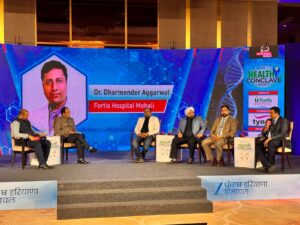
We are glad to share that our efforts in advancing new techniques in robotic surgery and providing focused, dedicated urological cancer care in Punjab have culminated in several recognitions, most recently at the Health Conclave 2026 held by Zee Media in the Tricity.

Our team was honored with the “Best Robotic Urology Surgery in the Region” award by the Hon’ble Health Minister of Punjab, Dr. Balbir Singh.

We also participated in a panel discussion with Zee Media on robotic surgery and its role in urological cancers, especially kidney cancers, primarily to spread awareness about this advanced technology and its benefits for our patients.

5 Early Warning Signs of Testicular Cancer You Should Know

When it comes to your health, awareness is your first line of defense. Testicular cancer, although rare, is among the most treatable cancers—especially when caught early. For men living in Chandigarh and Mohali, access to early diagnosis and expert care is essential.

As a leading testicular cancer doctor in Chandigarh and Mohali, Dr Dharmender Aggarwal emphasizes the importance of identifying symptoms early. With over 800 robotic urology cancer surgeries to his name, his expertise ensures advanced care with optimal outcomes.

Let’s break down the five most common warning signs of testicular cancer that every man should be aware of.

1. A Painless Lump or Swelling in the Testicle

This is the most classic symptom. Often, men may discover a small lump—sometimes no bigger than a pea—while bathing or during a self-exam. It may or may not cause discomfort, but any unusual growth should be evaluated immediately.

Regular self-exams can help in identifying such changes before they progress.

2. A Feeling of Heaviness in the Scrotum

If one side of your scrotum feels heavier or fuller, it could be due to swelling caused by a tumour or fluid buildup. While this sensation might be subtle, it’s not something to ignore.

Persistent heaviness with no clear cause warrants a check-up with a urologist for testicular cancer.

3. Dull Ache in the Lower Abdomen or Groin

Some men experience a persistent ache in the lower belly, back, or groin. This can feel like a strain or muscle pull—but unlike typical discomfort, it doesn’t go away.

Early consultation can distinguish between a harmless strain and a more serious concern.

4. Sudden Enlargement or Shrinking of a Testicle

A noticeable change in size, shape, or texture of one testicle can be a sign of testicular cancer. This could be a slow enlargement, or sometimes, even a shrinkage.

The key is to know what’s normal for your body—so you can act fast when something feels off.

5. Tenderness or Swelling in the Breasts

This lesser-known symptom is caused by hormonal changes triggered by some types of testicular tumours. Swollen or tender breast tissue in men should never be overlooked.

Hormonal imbalances related to testicular cancer can affect areas beyond the scrotum.

What to Do If You Notice These Symptoms?

  1. Don’t panic — but do act promptly.
  2. Schedule a visit to a testicular cancer doctor in Chandigarh or Mohali.
  3. Your doctor may perform an ultrasound, blood tests for tumour markers, or other imaging.

Why Choose a Specialist Like Dr Dharmender Aggarwal?

Dr Dharmender Aggarwal is a highly skilled urologist for testicular cancer with a focus on advanced, minimally invasive treatments. With over 800 successful robotic urology cancer surgeries, his clinic in Chandigarh & Mohali provides:

  1. Precision diagnostics
  2. Robotic-assisted surgery
  3. Comprehensive cancer care under one roof
  4. Patient-centric approach

Early intervention by a specialist significantly improves survival and long-term health.

Dr Dharmender Aggarwal offers robotic testicular cancer treatment supported by modern surgical technology and expert uro-oncology care. Patients from Mohali, Chandigarh, Punjab, and surrounding areas frequently visit us for advanced diagnosis and treatment. Individuals searching for testicular cancer treatment in North India often choose our center for its specialized approach and patient-focused care.

FAQs About Testicular Cancer

  1. How common is testicular cancer?
    It is rare overall but is the most common cancer in young men between the ages of 15 and 35.
  2. Can testicular cancer be cured?
    Yes. When detected early, cure rates can exceed 95%, even in cases that spread.
  3. Does testicular cancer always cause pain?
    No. Many testicular cancers are painless in the early stages. That’s why routine self-checks are crucial.
  4. What is the best time for a self-exam?
    After a warm bath or shower when the scrotal skin is relaxed, making abnormalities easier to feel.
  5. Will removing one testicle affect fertility?
    Most men maintain normal fertility with one healthy testicle. Sperm banking is recommended before treatment in some cases.

Final Thoughts

If you’ve noticed any of these five warning signs—a testicular lump, heaviness in the scrotum, persistent ache, size changes, or breast tenderness—it’s time to consult a specialist.

For trusted testicular cancer treatment in Chandigarh or Mohali, book a consultation with Dr Dharmender Aggarwal today. His expertise, compassionate care, and advanced surgical techniques make him a top choice for men’s urological health in the region.

📞 Call now or book your appointment online to consult Dr Dharmender Aggarwal, your trusted testicular cancer doctor in Chandigarh & Mohali.

Don’t Ignore the Signs: Why Early Testicular Cancer Care Saves Lives

When it comes to testicular cancer, silence can be dangerous. While this cancer is highly curable, especially when detected early, many young men ignore the warning signs. Whether due to embarrassment, fear, or unawareness—this delay can make all the difference.

If you’re searching for testicular cancer treatment in Chandigarh or Mohali, or simply want expert guidance from a leading urologist for testicular cancer, you’re in the right place. Dr Dharmender Aggarwal, a trusted testicular cancer doctor in Mohali and Chandigarh, brings advanced expertise and robotic precision to this sensitive yet highly treatable disease.

What Makes Testicular Cancer Different?

Unlike many cancers that affect older adults, testicular cancer primarily strikes men between 15 to 35 years old. Though rare overall, it’s the most common cancer in young adult men.

The silver lining? It has exceptional survival rates when detected early—up to 99% if diagnosed before it spreads.

But that depends on awareness. Here’s what you need to know.

5 Early Warning Signs You Should Never Ignore

Knowing your own body is the first step in early diagnosis. Monthly self-exams can help spot the following signs:

  1. A lump or hard mass in the testicle
  2. Swelling or sudden enlargement of a testicle
  3. A dull ache in the groin or lower abdomen
  4. A feeling of heaviness in the scrotum
  5. Tender or enlarged breast tissue (rare but possible)

If you notice any of these signs, don’t delay. Consult a testicular cancer doctor in Chandigarh like Dr Dharmender Aggarwal for immediate evaluation.

The Role of a Urologist in Testicular Cancer Detection

A urologist for testicular cancer specializes in male reproductive and urinary tract health. They don’t just treat—they detect, diagnose, and guide you through every stage of your journey.

Here’s what Dr Aggarwal and his team may recommend:

  1. Clinical exam to assess abnormalities
  2. Scrotal ultrasound to examine lumps
  3. Tumor marker tests to check for proteins in your blood
  4. Surgical evaluation (orchiectomy) if cancer is confirmed

Dr Aggarwal has performed more than 800 robotic Urology cancer Surgeries, making him one of the most experienced specialists in the region.

Dr Dharmender Aggarwal offers robotic testicular cancer treatment supported by modern surgical technology and expert uro-oncology care. Patients from Mohali, Chandigarh, Punjab, and surrounding areas frequently visit us for advanced diagnosis and treatment. Individuals searching for testicular cancer treatment in North India often choose our center for its specialized approach and patient-focused care.

Beyond Surgery: A Look at Modern Testicular Cancer Treatment

Treatment is highly effective and may involve:

Surgery

  1. Removal of the cancerous testicle
  2. Option for a prosthetic implant if desired
  3. Lymph node removal if spread is suspected

Chemotherapy

  1. Used for cancers that have spread or are aggressive
  2. Often short-term and very effective

Radiation Therapy

  • Effective in certain types like seminomas

Active Surveillance

  • For very early-stage cancers, close monitoring may be all that’s needed

Prevention & Self-Care Tips for Young Men

  1. Perform monthly testicular self-exams
  2. Know your family history
  3. Don’t ignore discomfort, lumps, or swelling
  4. Talk openly with a testicular cancer doctor in Mohali if anything feels off
  5. If you’re in a high-risk group, consider regular check-ups even without symptoms

What Sets Dr Dharmender Aggarwal Apart?

  1. Testicular cancer specialist with years of focused urological cancer care
  2. Over 800 robotic surgeries performed, including for testicular cancer
  3. Personalized care for young men prioritizing both health and long-term quality of life
  4. Emphasis on fertility preservation, counseling, and confidential care 

FAQs: Testicular Cancer & Urological Care

  1. Can testicular cancer affect both testicles?
    It usually affects one, but the risk of recurrence in the second testicle is higher in survivors.
  2. Is it painful?
    Not always. Many early lumps are painless. That’s why self-exams matter.
  3. How long is the recovery after surgery?
    Most men return to light activity within a week and full recovery in 2–4 weeks.
  4. Will I still be able to have children?
    Yes, in many cases. Fertility preservation is discussed before treatment begins.
  5. Is robotic surgery available in Mohali or Chandigarh?
    Yes. Dr Aggarwal offers robotic urology cancer surgeries with quicker recovery and minimal complications.

Book an Expert Consultation Today

📞 If you’re in Chandigarh or Mohali, don’t ignore early signs or delay testing.

Whether you’re seeking reassurance, a second opinion, or active testicular cancer treatment, Dr Dharmender Aggarwal is here to guide you every step of the way—with privacy, precision, and experience.

âś… Click here to book your consultation today.
Your health is your power. Take charge of it now.

Testicular Cancer: What You Should Know & How Urologists Help

Testicular cancer develops when abnormal cells in one or both testicles grow uncontrollably and form a malignant tumour. Though relatively rare, it is the most common cancer among people born male aged 15‑35 years. Its rarity doesn’t reduce its seriousness—but the good news is that testicular cancer is one of the most treatable cancers when caught early.

If you’re exploring testicular cancer treatment, or seeking a trusted testicular cancer doctor in Chandigarh or Mohali, here’s a detailed guide to understanding risk, diagnosis, treatment, and why early care matters.

Dr Aggarwal’s Expertise

Dr Dharmender Aggarwal has performed more than 800 robotic urology cancer surgeries, including treatments for testicular cancer. Patients in Chandigarh & Mohali benefit from his deep experience, state‑of‑the‑art facilities, and a patient‑centred approach.

Dr Dharmender Aggarwal offers robotic testicular cancer treatment supported by modern surgical technology and expert uro-oncology care. Patients from Mohali, Chandigarh, Punjab, and surrounding areas frequently visit us for advanced diagnosis and treatment. Individuals searching for testicular cancer treatment in North India often choose our center for its specialized approach and patient-focused care.

Risk Factors: Who Is More Likely to Develop Testicular Cancer

Certain conditions increase risk. Being aware helps in staying vigilant.

  1. Cryptorchidism (Undescended Testicle): History of one or both testicles not descending normally.
  2. Family History: If a brother or father had testicular cancer.
  3. Previous Testicular Cancer: Risk is higher in the other testicle if one has been affected.
  4. Intratubular Germ Cell Neoplasia (ITGCN): A precursor lesion with elevated risk over years.
  5. Age Group: Most cases occur in younger men (15‑35), though it can occur at any age.

Symptoms That Should Prompt a Check

Even small changes deserve medical attention. Be mindful of:

  1. Painless lumps or swelling in testicles
  2. A feeling of heaviness or dull ache in groin or scrotum
  3. Unexplained tenderness, or changes in testicular size
  4. Swelling beyond two weeks, or any unusual firmness

Types of Testicular Cancer

Understanding type helps determine treatment path:

  1. Germ Cell Tumours (GCTs): The most common, includes seminomas and non‑seminomas.
  2. Non‑Germ Cell Tumours: Less common, including stromal cell cancers like Leydig or Sertoli cell tumours.
  3. Mixed types can complicate treatment but are still manageable.

Diagnosis: How Urologists Confirm Testicular Cancer

A urologist for testicular cancer will typically do:

  1. Clinical examination of testicles and groin.
  2. Ultrasound to distinguish solid from cystic lumps.
  3. Blood tests for tumour markers like AFP, HCG, LDH.
  4. Surgical removal of the affected testicle (orchiectomy) for definitive diagnosis and treatment.

Treatment Options

Treatment depends on cancer type, stage, and patient health. Options include:

  1. Surgery (Orchiectomy): Removing the tumour‑bearing testicle. Sometimes partial removal is possible.
  2. Chemotherapy: For tumours that have spread or for non‑seminomas.
  3. Radiotherapy: Particularly effective with certain seminomas.
  4. Surveillance: For small, early tumours, with close monitoring.
  5. Reconstruction, Fertility‑Preserving Options: Discussed before treatment begins.

FAQs About Testicular Cancer & Care

  1. Can testicular cancer be cured?
    Yes. With early detection and proper management, cure rates are very high.
  2. What is the role of a testicular cancer doctor in Chandigarh / Mohali?
    A specialised urologist leads diagnosis, treatment planning, surgery, and follow‑up care tailored to your individual needs.
  3. How will treatment affect fertility?
    Some treatments can impact fertility. Options like sperm banking, and partial orchiectomy or fertility‑preserving measures are discussed before treatment begins.
  4. Do I need follow‑up care after treatment?
    Absolutely. Regular visits with tumour marker tests, imaging, and physical checks are essential to monitor for recurrence.
  5. When should I see a doctor?
    If you notice any unusual lump, swelling, or change in testicular size or shape that lasts more than a couple of weeks, get evaluated by a testicular cancer doctor in Chandigarh or Mohali.

Why Seek Care Early & Locally

Choosing testicular cancer treatment in Chandigarh or Mohali has advantages:

  1. Rapid access to diagnosis and treatment
  2. Expert urologists familiar with local patient needs
  3. Less travel, more comfort during recovery
  4. Dr Aggarwal offers experience with robotic urology cancer surgeries, advanced techniques, and patient‑centric support

Next Steps: Speak With a Specialist

If you’re experiencing symptoms, belong to a higher‑risk group, or simply want reassurance:

📞 Residents of Chandigarh & Mohali—schedule your consultation today with Dr Dharmender Aggarwal, trusted testicular cancer doctor in Chandigarh & Mohali, for thorough evaluation, modern treatment, and compassionate care.

Your health can be protected, your concerns heard, and your treatment tailored for the best possible outcome.

A New Milestone: First Robotic Surgery Proctored at Government Medical College, Tanda

Dr Dharmender Aggarwal, Consultant Urology Cancer & Robotic Surgery at Fortis Hospital Mohali, recently achieved another landmark by performing and proctoring the first-ever robotic surgery at Dr Rajendra Prasad Government Medical College, Tanda. The event marked a significant advancement in bringing robotic surgery and cutting-edge uro-oncology care closer to patients in Himachal Pradesh.

The robotic surgery program at Tanda Medical College was formally inaugurated by the Honourable Chief Minister of Himachal Pradesh, Shri Sukhwinder Singh Sukhu. The ceremony was also attended by the Honourable Health Minister Dr. Dhani Ram Shandil, Agriculture Minister Shri Chander Kumar, Ayush Minister Shri Yadvendra Goma, and several senior dignitaries.

Expanding Access to Advanced Uro-Oncology Care

Dr Dharmender Aggarwal, who has been proctoring robotic surgery for several years, shared that initiating a robotic program and performing its first case in a prestigious government institution has been a truly humbling and fulfilling experience. This initiative will play a major role in improving access to advanced treatments for prostate cancer, kidney cancer, and urinary bladder cancer for a large segment of the population.

Robotic surgery brings significant benefits for patients seeking the:

  1. Best kidney cancer treatment
  2. Best prostate cancer treatment
  3. Best bladder cancer treatment

With enhanced precision, minimal blood loss, faster recovery, and improved cancer control, robotic technology is transforming outcomes in uro-oncology—especially for procedures involving prostate cancer, kidney cancer, and urinary bladder cancer.

A Step Toward Training & Empowering Surgeons

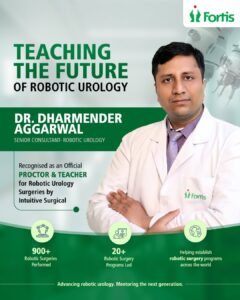
As a proctor and trainer in robotic surgery, Dr. Aggarwal highlighted the importance of sharing knowledge and empowering upcoming surgeons.

This collaboration is expected to strengthen the robotic program at Tanda and support the growth of minimally invasive cancer care across the region.

A Vision for Better Healthcare

Dr. Aggarwal expressed gratitude to the honourable ministers and government leadership for supporting innovation and promoting advanced surgical technology in the public healthcare system. Their efforts will help ensure that more patients have access to modern, effective treatments for prostate cancer, kidney cancer, and bladder cancer.

Continuing the Journey of Excellence

This milestone reinforces Dr Aggarwal’s commitment to advancing uro-oncology through clinical expertise, technology adoption, and surgical training. His mission remains clear:
to deliver world-class robotic urology cancer treatment and ensure better outcomes for every patient.

First Robotic Urology Cancer Surgery Performed By Dr Dharmender Aggarwal At Tanda First Robotic Urology Cancer Surgery Proctored at Government Medical College, Tanda Robotic Surgery Program Inaugurated by The Honourable Chief Minister of Himachal Pradesh, Shri Sukhwinder Singh Sukhu First Robotic Urology Cancer Surgery Proctored at Government Medical College, Tanda First Robotic Urology Cancer Surgery Proctored at Government Medical College, Tanda

Achieving a Milestone: 300+ Robotic Urology Cancer Surgeries at Fortis Hospital Mohali

Dr Dharmender Aggarwal recently marked a major milestone in advanced cancer care with the completion of more than 300 robotic urology cancer surgeries in the last 2.5 years – the highest volume in the North region in India. Under the leadership of Dr Dharmender Aggarwal, Consultant, Urology Cancer and Robotic Surgery, this achievement reflects the hospital’s commitment to delivering world-class care for patients with prostate cancer, kidney cancer, and urinary bladder cancer.

Raising the Standards of Uro-Oncology Care

Since joining Fortis Mohali, Dr. Aggarwal has performed a wide range of complex robotic procedures, including:

  1. 100+ Robotic Radical Prostatectomies
    (for patients seeking the best prostate cancer treatment with faster recovery and superior outcomes)
  2. Robotic Partial Nephrectomies
    (a kidney-saving procedure offering the best kidney cancer treatment while preserving healthy kidney tissue)
  3. Robotic Radical Cystectomy with Ileal Conduit & Neo-Bladder Formation
    (a highly advanced surgery performed for patients requiring the best bladder cancer treatment and reconstruction options)

These surgeries highlight the precision, safety, and superior clinical outcomes associated with robotic surgery, especially in complex uro-oncology cases.

How Robotic Surgery Is Transforming Cancer Treatment

Robotic technology has significantly elevated treatment standards for prostate cancer, kidney cancer, and urinary bladder cancer by offering:

  1. Minimal blood loss
  2. Faster recovery and shorter hospital stay
  3. Reduced postoperative pain
  4. Enhanced 3D magnification and surgical precision
  5. Better preservation of organs and critical structures

This advancement is particularly valuable for patients searching for the best kidney cancer treatment, best prostate cancer treatment, and best bladder cancer treatment in the region.

A Team Effort Behind Every Success

Reflecting on the achievement, Dr. Aggarwal emphasizes the importance of teamwork:

“One thing I have learned in the last 2.5 years is that a supportive and hardworking team is the foundation of every big achievement.”

He expresses his gratitude to

  1. The anesthesia team,
  2. OT staff,
  3. support teams,
  4. OPD staff, and
  5. The management at Fortis Hospital Mohali,

for their continuous support in strengthening and streamlining the uro-oncology and robotic surgery program.

Continuing the Commitment to Excellence

With this milestone, the vision remains clear:
To provide advanced, precise, and compassionate care to every patient seeking treatment for prostate cancer, kidney cancer, and bladder cancer.

Fortis Mohali and Dr. Aggarwal’s team remain committed to carrying forward this momentum and delivering the highest standards of robotic urology cancer care.

300+ Robotic Urology Cancer Surgeries Performed By Dr Dharmender Aggarwal at Fortis Hospital, Mohali 100+ Robotic Radical Prostatectomies Performed By Dr Dharmender Aggarwal at Fortis Hospital, Mohali Robotic Partial Nephrectomies Performed By Dr Dharmender Aggarwal

Why Robotic Surgery Outperforms Laparoscopic and Open Surgery: Insights from Dr Dharmender Aggarwal

Over the years, surgical techniques have undergone significant evolution—from traditional open surgeries to laparoscopic methods, and now to highly advanced robotic-assisted procedures. Among these, robotic surgery has rapidly emerged as the gold standard in complex urological surgeries such as those involving the prostate, kidneys, adrenal glands, and bladder.

Dr Dharmender Aggarwal, a renowned robotic urology surgeon and widely recognized as the best urology cancer expert in India, has been at the forefront of this surgical revolution. With extensive experience and training in robotic systems, he delivers the best robotic surgery outcomes with precision, minimal invasiveness, and superior recovery times.

Why Robotic Surgery Stands Apart

The da Vinci Surgical System, developed by Intuitive in 1995, has been a game-changer in minimally invasive surgery. Today, it is a cornerstone of urological oncology, offering unmatched precision and surgeon control.

Let’s dive into why patients and experts alike increasingly prefer robotic surgery over laparoscopic or open methods.

1. Enhanced 3D Magnified Vision

Robotic platforms like da Vinci provide the surgeon with a 3D high-definition, magnified view of the surgical area—10 times more detailed than what the human eye can see. This clarity is crucial in delicate procedures involving nerve preservation and tumor excision.

Dr Dharmender Aggarwal leverages this visual advantage to ensure every movement is calculated, safe, and focused on optimal outcomes.

2. Unparalleled Precision and Dexterity

With wristed instruments that mimic human hand motion—but with greater flexibility—the robotic arms allow for precise, tremor-free movements in narrow and hard-to-reach areas. This level of control is simply not achievable with human hands or conventional laparoscopic tools.

This precision is especially valuable in oncological surgeries, where complete tumor removal and margin clearance are vital. It’s one of the many reasons Dr Aggarwal is known for performing the best robotic surgery in urology today.

3. Minimal Incisions, Maximum Recovery

Unlike open surgery, which requires large incisions, robotic surgery is performed through 4-5 tiny punctures—each about 8mm wide. This approach results in:

  • Negligible scarring
  • Less postoperative pain
  • Fewer wound-related complications

For patients, it means a smoother and faster path to recovery with minimal cosmetic impact.

4. Less Blood Loss and Fewer Complications

One of the standout benefits of robotic-assisted techniques is significantly reduced intraoperative blood loss. The precision of the robotic arms and smaller incisions lower the risk of infection and help maintain surgical sterility.

As the best robotic surgeon, Dr Dharmender Aggarwal ensures that every procedure is performed with meticulous attention to detail, enhancing both safety and patient satisfaction.

5. Shorter Hospital Stay and Quicker Return to Normalcy

Patients undergoing robotic procedures typically spend just 2-3 days in the hospital. Recovery timelines are also drastically shorter—with most patients resuming normal activities within 2-3 weeks, compared to several weeks or months after open surgery.

Dr Aggarwal tailors post-operative care to each patient’s condition, promoting a rapid return to routine without compromising surgical outcomes.

Why Patients Trust Dr Dharmender Aggarwal

As one of India’s most trusted names in robotic urology, Dr Dharmender Aggarwal combines global training with compassionate, evidence-based care. His leadership in performing complex robotic surgeries has earned him a reputation as the best urology cancer expert in India, particularly in treating prostate, bladder, kidney, and adrenal cancers.

Take the Next Step Toward Advanced Surgical Care

If you’re considering surgery for a urological condition or cancer, robotic-assisted techniques offer a safer, faster, and more effective path to recovery. Dr Dharmender Aggarwal, the best robotic surgeon, is here to guide you through every step with skill and confidence.

👉 Book your consultation today with Dr Dharmender Aggarwal to explore your options for robotic urological surgery.

What Is Robotic Surgery & Why It Matters in Urology

Robotic surgery, also known as robotic urology surgery, is a cutting-edge, minimally invasive technique that allows a robotic urology surgeon like Dr Dharmender Aggarwal — one of the best urology cancer experts in India — to perform complex procedures through tiny incisions. The system combines robotic arms, a high-definition 3D camera, and a surgeon console to deliver unparalleled precision and visualization.

Key components include:

  • Robotic arms: Equipped with fine instruments offering seven degrees of freedom.
  • Specialized 3D endoscopic camera: Delivers magnified, high‑resolution views.
  • Surgeon’s console: A dashboard from which Dr Aggarwal directs every movement with accuracy.

Why Urology Benefits the Most from Robotic Surgery

In the last decade, urology robotic surgery has transformed the field of uro-oncology. Surgeries in the dense pelvic area require extreme precision, making it an ideal application for robotic techniques. As the best robotic surgeon in this domain, Dr Aggarwal uses advanced robotic systems to minimize blood loss, reduce pain, and accelerate healing—all while maintaining top-level outcomes.

How Robotic Urology Surgery Works

  1. Dr Aggarwal creates small keyhole incisions tailored to the procedure.
  2. A thin endoscope is inserted to project a detailed 3D internal view.
  3. Robotic arms with surgical tools are placed through other incisions.
  4. From the surgeon’s console, these tools move precisely as Dr Aggarwal controls them.
  5. An assistant at the patient’s side helps switch instruments and manage the surgical field.

Advantages for Surgeons & Patients

For Surgeons 

  • Unmatched precision through robotically controlled wristed instruments.
  • Superior visualization with magnified HD-3D imaging.
  • Ability to operate in tight spaces with enhanced dexterity and steadiness.

For Patients

  • Lower pain & medication needs during recovery.
  • Shorter hospital stay and faster return to everyday life.
  • Minimized blood loss & infection risks, thanks to smaller incisions.
  • Tiny scars and a significantly improved overall experience.

Common Robotic Urological Procedures

Dr Dharmender Aggarwal specializes in a variety of best robotic surgery options, including:

  • Robotic prostatectomy: Removal of the prostate gland with optimal precision.
  • Robotic cystectomy: Bladder removal performed robotically.
  • Robotic partial nephrectomy: Tumor excision while conserving healthy kidney tissue.
  • Robotic pyeloplasty: Correcting UPJ obstructions with minimal invasion.
  • Additional procedures: nephroureterectomy, adrenalectomy, ureteric reimplantation, and even kidney transplantation.

Recovery Insights After Robotic Surgery

Post-operative care is simplified when you’re under the expert hands of Dr Aggarwal, the best robotic urology surgeon:

  • Resume light activities at earliest.
  • Avoid heavy lifting until cleared by your surgeon.
  • Monitor incision sites and report any signs of infection.
  • Stay on prescribed medication to manage pain and support digestive health.

Myth

  • The robot performs surgery by itself.
  • Open surgery gives better visual access.
  • Robotic surgery is easy to learn.

Reality

  • All movements are controlled in real-time by Dr Aggarwal; the robot cannot act independently.
  • The 3D HD camera offers more accurate, detailed views than the naked eye.
  • It demands specialized training and expertise—why Dr Aggarwal, one of the best robotic surgeons, invests in rigorous training to deliver top outcomes.


Why Choose Dr Dharmender Aggarwal?

As a leading robotic urology surgeon and one of the best urology cancer experts in India, Dr Aggarwal brings together technological excellence and compassionate patient care. He continuously adopts the latest advances in urology robotic surgery to ensure every patient receives the safest and most effective treatment available.

Take the Next Step Today

If you’re considering best robotic surgery in urology, trust Dr Dharmender Aggarwal’s expertise for a minimally invasive experience designed around your wellbeing and quick recovery.

Ready to transform your treatment journey?
📞 Reach out now to schedule a consultation or request an appointment with Dr Dharmender Aggarwal.

More Than Survival: Rebuilding Life After Testicular Cancer

Let’s shift the spotlight—not on the diagnosis, but on what comes after. Because surviving testicular cancer is only the first chapter. What follows is the emotional healing, the rebuilding of identity, and the return to normalcy. And this journey is just as important.

For many men, testicular cancer is more than a health scare—it’s a challenge to masculinity, fertility, self-image, and confidence. But with the right medical guidance and emotional support, life not only goes on—it thrives.

At the heart of this healing is a specialist who doesn’t just treat the disease, but the whole person. That’s where Dr. Dharmender Aggarwal, a top urologist for testicular cancer in India, stands apart.

What Does Life Look Like After Testicular Cancer?

For most men diagnosed early, the physical recovery is swift. But mentally, the transition from “cancer patient” to “cancer survivor” brings its own set of hurdles.

You might ask yourself:

  • Will I feel normal again?
  • Can I still have children?
  • Will my partner see me differently?
  • Is the cancer really gone?

The answer to all these questions lies in support, science, and the strength you didn’t know you had. That support begins with the right urologist for testicular cancer—someone who guides you with empathy and evidence.

Redefining Masculinity Post-Treatment

The removal of a testicle can be emotionally overwhelming, even when medically necessary. It’s not just a surgical change; it’s a psychological one.

Dr. Aggarwal often reminds his patients: “Your strength is not measured by what was removed, but by what you overcame.”

Options like testicular prosthesis and hormone balance therapy are available to ensure patients regain not just their health—but their identity.

The Fertility Conversation—Yes, It’s Still Possible

One of the first concerns for young men is: “Will I still be able to have children?”

In most cases, yes. For patients undergoing surgery alone, fertility remains unaffected. For those requiring chemotherapy or radiation, fertility preservation—like sperm banking—is recommended before treatment begins.

As an expert urologist for testicular cancer, Dr. Aggarwal offers comprehensive fertility counseling, ensuring that decisions made today don’t compromise your future dreams.

Emotional Resilience: Your Invisible Muscle

Beyond medical success lies the emotional journey. Anxiety about recurrence, fear of intimacy, and self-esteem issues are not uncommon.

Recovery isn’t just physical. Dr. Aggarwal collaborates with therapists and survivorship coaches to provide a rounded healing process—making sure patients never feel alone in the aftermath.

Follow-Ups That Feel Empowering—Not Scary

Regular follow-ups are a necessary part of testicular cancer survivorship. But instead of dreading them, survivors are encouraged to view them as a commitment to health. With modern imaging and tumor markers, recurrence can be detected and treated quickly.

Dr. Dharmender Aggarwal uses the latest surveillance protocols—ensuring that post-treatment monitoring feels like empowerment, not fear.

Where Strength Meets Support: A Message for Survivors

Men often feel pressured to be “strong” and “silent” after cancer. But real strength lies in vulnerability, in asking for help, and in talking openly about your fears and victories.

Whether it’s your first day back at work or your first time opening up to a partner—Dr. Aggarwal reminds every survivor that there’s life, love, and laughter after testicular cancer.

Ready to Start Your Recovery Right?

If you’ve been diagnosed or recently completed treatment, you’re not alone. Dr. Dharmender Aggarwal, a compassionate and skilled urologist for testicular cancer, is here to guide your journey—medically and emotionally.

From post-treatment planning to personalized counseling, you’re supported every step of the way.

Your story doesn’t end with survival. It begins there.

Reclaiming Confidence: A Bold Conversation on Testicular Cancer

Let’s talk about something men often avoid—testicular cancer. Not because it’s common (although it is the most frequent cancer in young men aged 15 to 40), but because it’s wrapped in silence, stigma, and, quite frankly, uncertainty.

As one of the leading Urology Cancer Expert in India, Dr. Dharmender Aggarwal believes it’s time to open up the dialogue—boldly, clearly, and with compassion. This isn’t just about the disease; it’s about confidence, masculinity, and survival. And yes, the good news: testicular cancer is one of the most curable cancers when caught early.

Why Testicular Cancer Needs More Awareness—Not Less

Most cancers increase with age. Not this one. Testicular cancer tends to affect men in the prime of their youth. Athletes. Newly married men. University students. Professionals in their 30s.

And yet, due to the intimate nature of the organ involved, many men hesitate to speak up—even when they notice changes.

But here’s a reality check: hesitation delays diagnosis. Delay compromises recovery.

Unusual Isn’t Always Alarming, But It’s Always Worth Checking

The earliest sign of testicular cancer is usually a painless lump or swelling in the testicle. Other signs might include:

  • A heavy sensation in the scrotum
  • Sudden collection of fluid in the scrotal sac
  • A dull ache in the lower abdomen or groin
  • Discomfort or enlargement of a testicle
  • Breast tenderness (a rare but possible hormonal effect)

Early symptoms are subtle and often dismissed. That’s why regular self-examination is crucial—and when in doubt, consult a specialist.

Breaking the Myth: You Don’t Need to Be Older to Be at Risk

Testicular cancer affects younger men—often at the height of their careers or family planning years. Unlike prostate cancer, which typically appears later in life, testicular malignancies are an urgent call for early education and early detection.

Family history, undescended testicles, or a previous history of the condition can elevate the risk. But most patients have no risk factors at all.

The Role of the Urologist: Not Just Diagnosis, But Advocacy

A urologist for testicular cancer is more than a doctor—they’re a partner in your journey. Dr. Dharmender Aggarwal plays this role with precision and empathy. He ensures that patients not only receive accurate diagnosis and cutting-edge treatments but also regain a sense of control over their health and lives.

From high-resolution ultrasounds to advanced tumor markers and expert-guided biopsies, a specialist’s insight can mean the difference between anxiety and clarity.

Hope Is the Headline: Survival Rates and Recovery

Here’s what many don’t know: testicular cancer has one of the highest cure rates of all cancers—over 95% if caught early, and even advanced cases respond well to treatment.

Options may include:

  • Surgical removal of the affected testicle (radical inguinal orchiectomy)
  • Chemotherapy or radiation (depending on the type and stage)
  • Surveillance programs for early-stage cancers to minimize overtreatment

And yes, fertility can often be preserved—something Dr. Dharmender Aggarwal addresses through fertility counseling and sperm banking options before treatment begins.

Life After Testicular Cancer: Thriving, Not Just Surviving

Recovery isn’t just about removing the cancer—it’s about reclaiming life. Physical health, mental wellness, sexual function, and body image are all valid concerns.

Dr. Aggarwal’s multidisciplinary approach ensures holistic care, including psychological support and long-term monitoring.

Take the First Step Towards Peace of Mind

If something feels off—or you simply want to be sure—don’t wait. Dr. Dharmender Aggarwal, recognized across India as a leading urologist for testicular cancer, offers discreet, expert consultations that prioritize your comfort, clarity, and care.